Brantley Carriage House
The 3-story brick Brantley Carriage House was erected behind the Trebein-Flynn House in 1990.
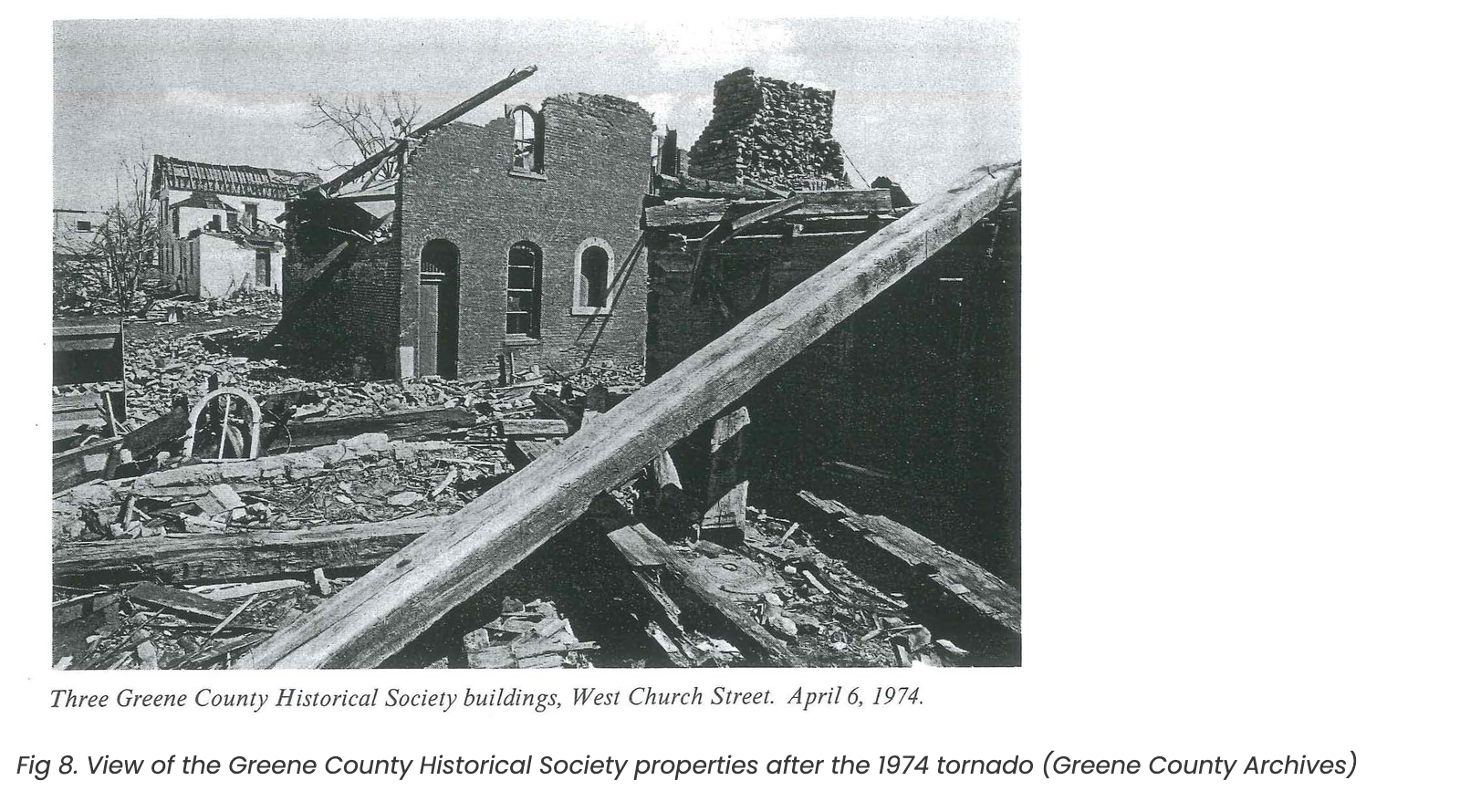
It is designed after the Snediker Carriage House, which was destroyed in the 1974 tornado.
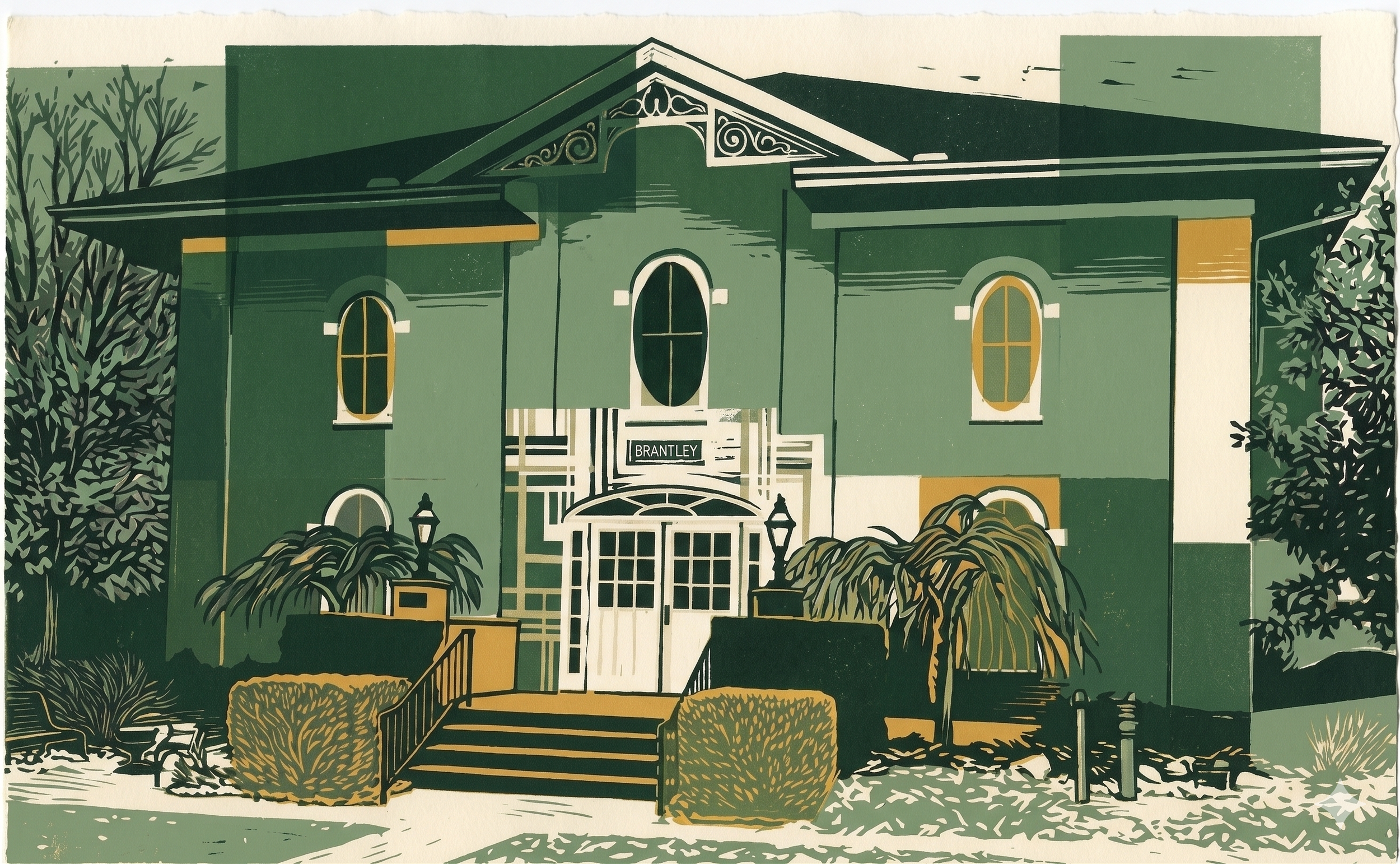
Step back in time at the Brantley Carriage House, a centerpiece of the Greene County Historical Society in Xenia, Ohio.
The Namesake: The building was made possible through the fundraising efforts and vision of Virgil Merlan Brantley, which is why it bears the family name.
Constructed in 1990 to mirror the original Snediker carriage house lost in the 1974 tornado, this three-story brick museum.
Today, the Carriage House offers an immersive journey through regional history across three floors of detailed exhibits:
Life in the 19th Century: Explore a recreated general store, a rugged blacksmith shop, and a historic jail cell.
Local Industry: Three Floors of Exhibits: Displays early farming tools, a blacksmith shop, a general store, a print shop, a dairy, a smokehouse, and local sports history.
The Pursuit of Freedom: Learn about the profound local connections to the Underground Railroad.
Whether you’re a history buff or a curious local, the Brantley Carriage House provides a fascinating window into the resilience and heritage of Greene County.
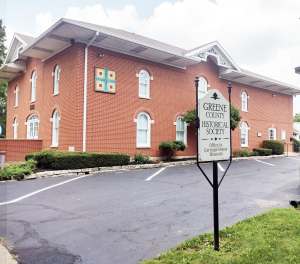
Parking
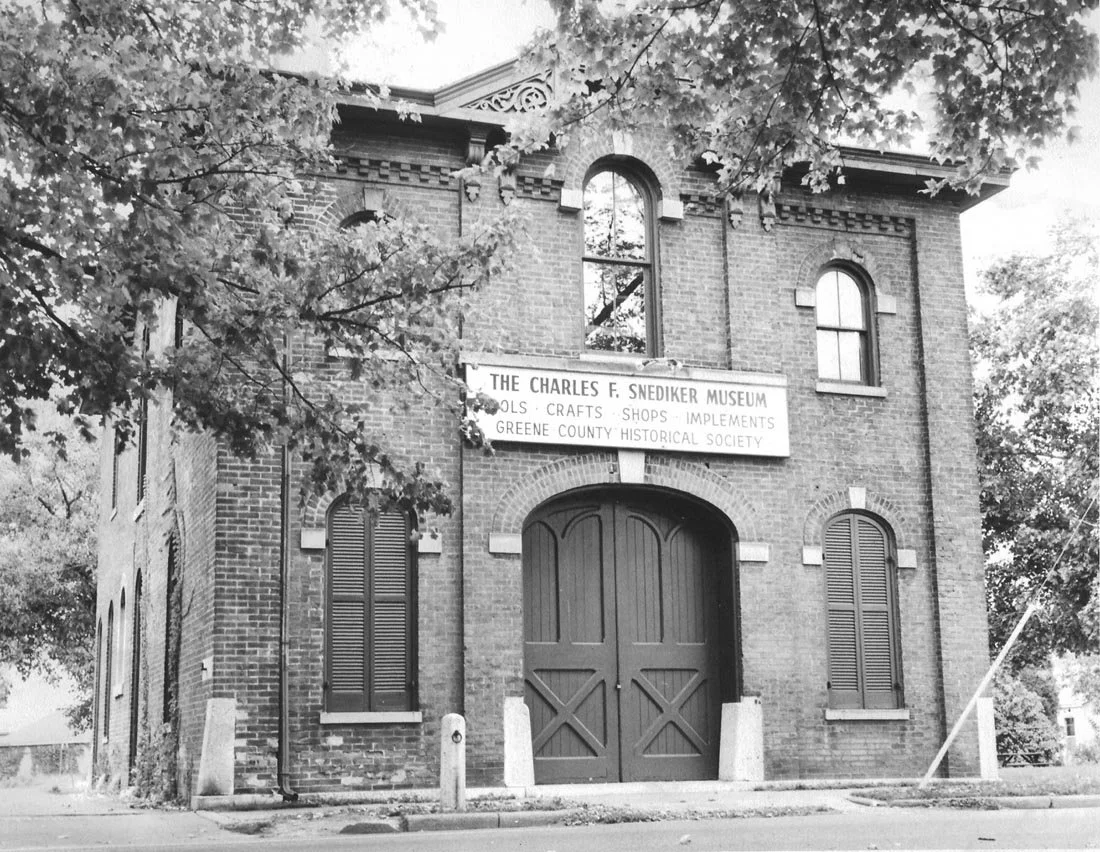
The Snediker Museum after becoming part of the Greene County Historical Society
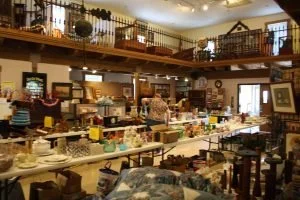
Exhibits
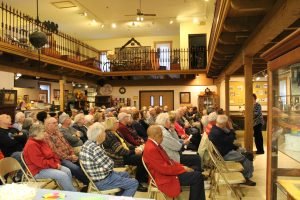
Events
The Snediker Carriage House
The Snediker Carriage House in Xenia, Ohio, was a historic brick structure on West Church Street used as a museum for the Greene County Historical Society in the mid-20th century. It was part of a complex that housed local artifacts before it was destroyed by the April 3, 1974, Xenia tornado. The site is now commemorated by the Brantley Carriage House, built in 1990.
The original 19th-century structure—often referred to interchangeably as the Snediker Barn, Snediker Stable, or Snediker Carriage House—has a history deeply tied to the preservation of local history by the Greene County Historical Society rather than a single family's long-term agricultural use.
Origins of the 19th-Century Structure
The Moorehead Connection: The property located on the corner of North Detroit and West Church streets in Xenia originally belonged to the Moorehead family, who held the land for nearly 80 years.
The Structure: The brick building was originally constructed on the property during the mid-to-late 19th century as a functional private stable and carriage house for the estate.
Acquisition by the Historical Society: In 1963, the Moorehead estate went up for sale. A local benefactor from Fairborn named Charles F. Snediker provided a generous $19,000 donation (roughly equivalent to $160,000 today) allowing the Historical Society to purchase the entire complex.
The Snediker Museum Era
Honoring the Donor: Because of Charles Snediker's critical financial support, the Historical Society converted the historic 19th-century stable into a public exhibition space and named it the Snediker Museum.
The Artifact Collection: The barn was repurposed to house an extensive collection of early Greene County agricultural history, displaying 19th-century pioneer tools, crafts, and farming implements.
Destruction and Legacy
The 1974 Xenia Tornado: On April 3, 1974, one of the most violent F5 tornado outbreaks in U.S. history ripped through Xenia. The storm heavily damaged the historical society's campus, completely destroying the original Snediker Barn.
A Reborn Design: Though the original 19th-century brick structure was lost, its architectural footprint was not forgotten. In 1990, the historical society erected the Brantley Carriage House, explicitly modeling its three-story brick design after the lost Snediker building to keep its historical aesthetic alive on the campus today.
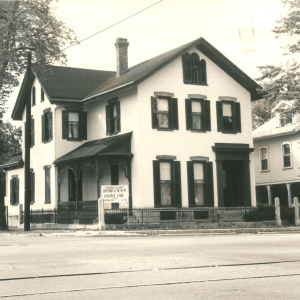
The Moorehead House after becoming part of Greene County Historical Society (Greene County Archives)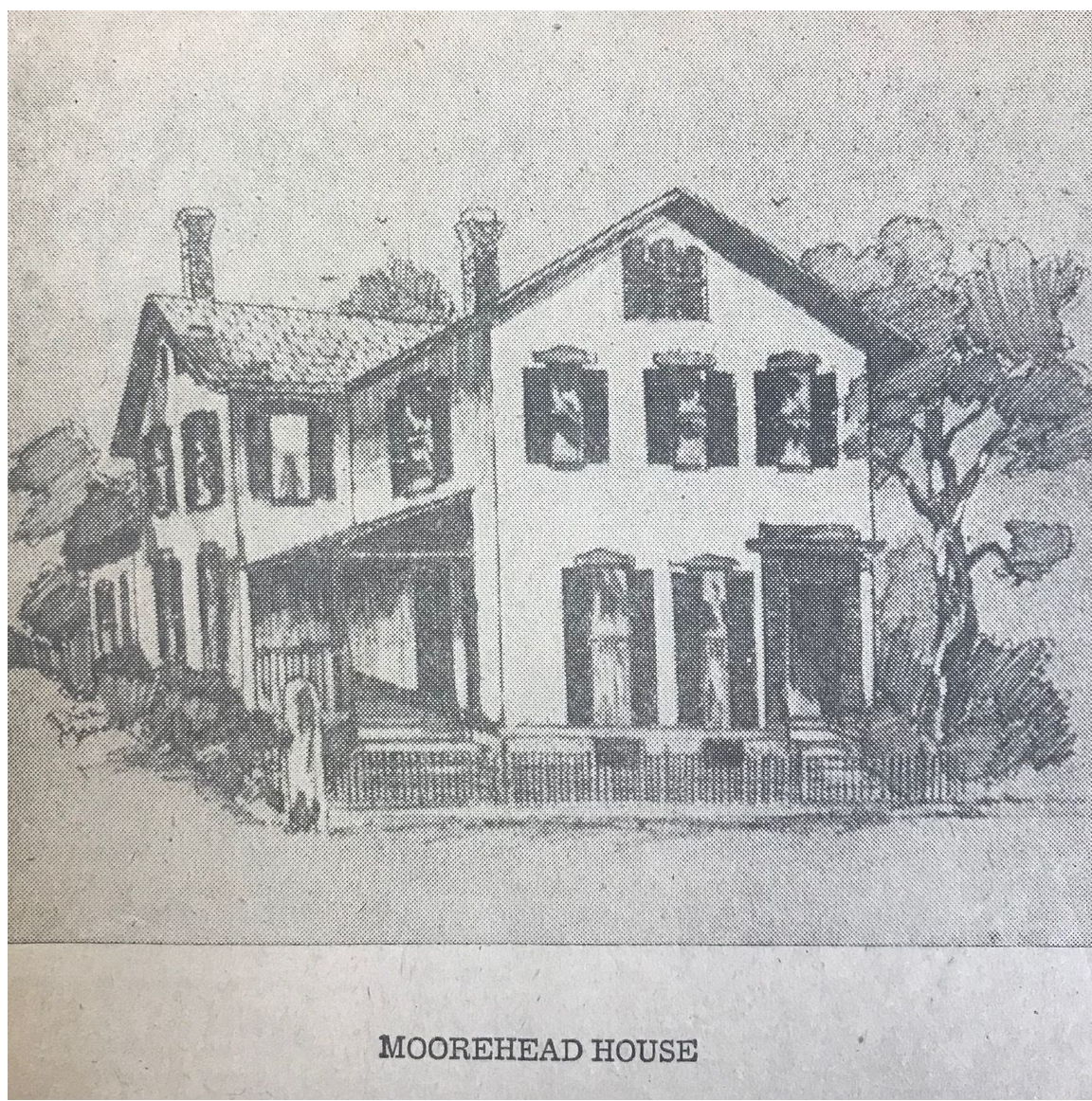
Sketch by Richard L. Mauck of the Moorehead House featured in the Xenia Daily Gazette, dated August 21, 1974