Greene County Historical Society

"Preserving Greene County's Past for Future Generations."
1974 Xenia Tornado
The afternoon of April 3, 1974, began with a strange, oppressive heat. In Xenia, Ohio, the sky hadn’t turned the usual storm-gray; instead, it bruised into a sickly shade of green.
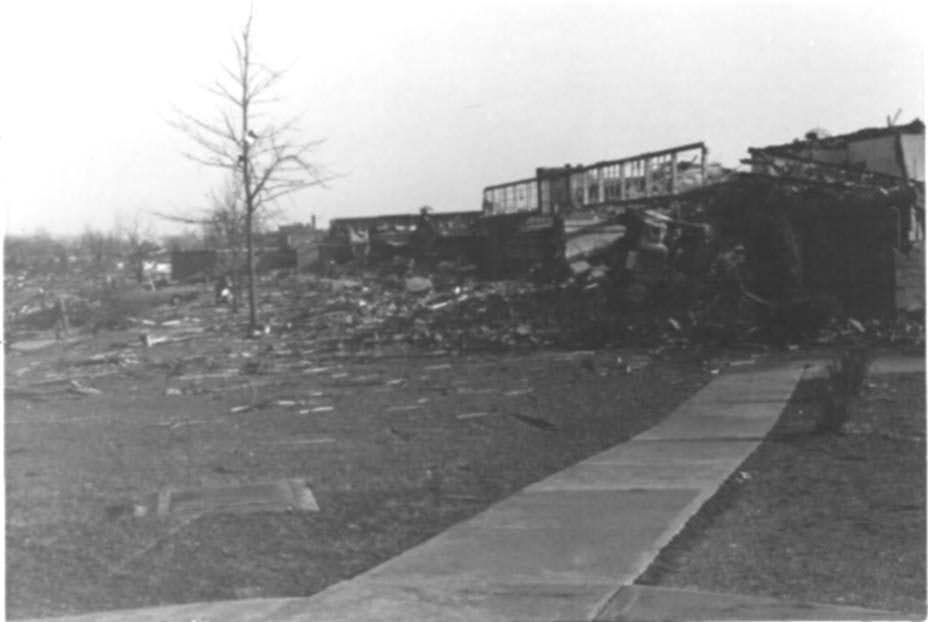
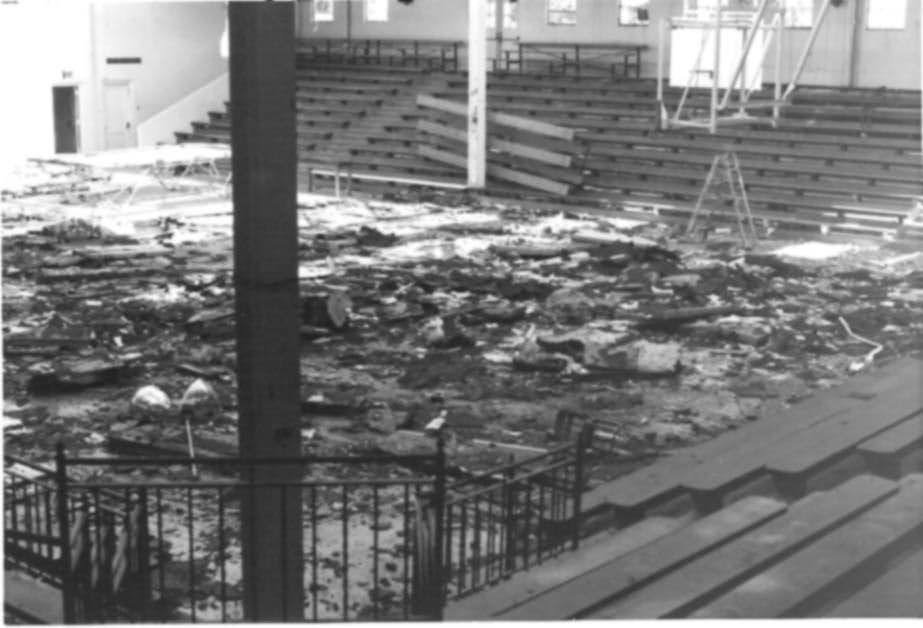
At Xenia High School, the drama club was staying late to rehearse The Boy Friend. Around 4:30 p.m., the wind began to howl with a mechanical scream. Instinct took over. The students scrambled into a hallway, huddling against the interior walls. Seconds later, the roof vanished. A school bus parked outside was lifted by the wind and slammed onto the very stage where they had been standing moments before.
Across town in the Arrowhead subdivision, David Lawson looked out his window and saw what many witnesses described as “five or six smaller tornadoes” dancing around a central core. It wasn’t a classic funnel; it was a massive, rotating wall of black debris. As he dove for cover, the sound changed from a whistle to the roar of a thousand freight trains.
The F5 monster ground through the heart of the city at 50 miles per hour. In the span of just a few minutes:
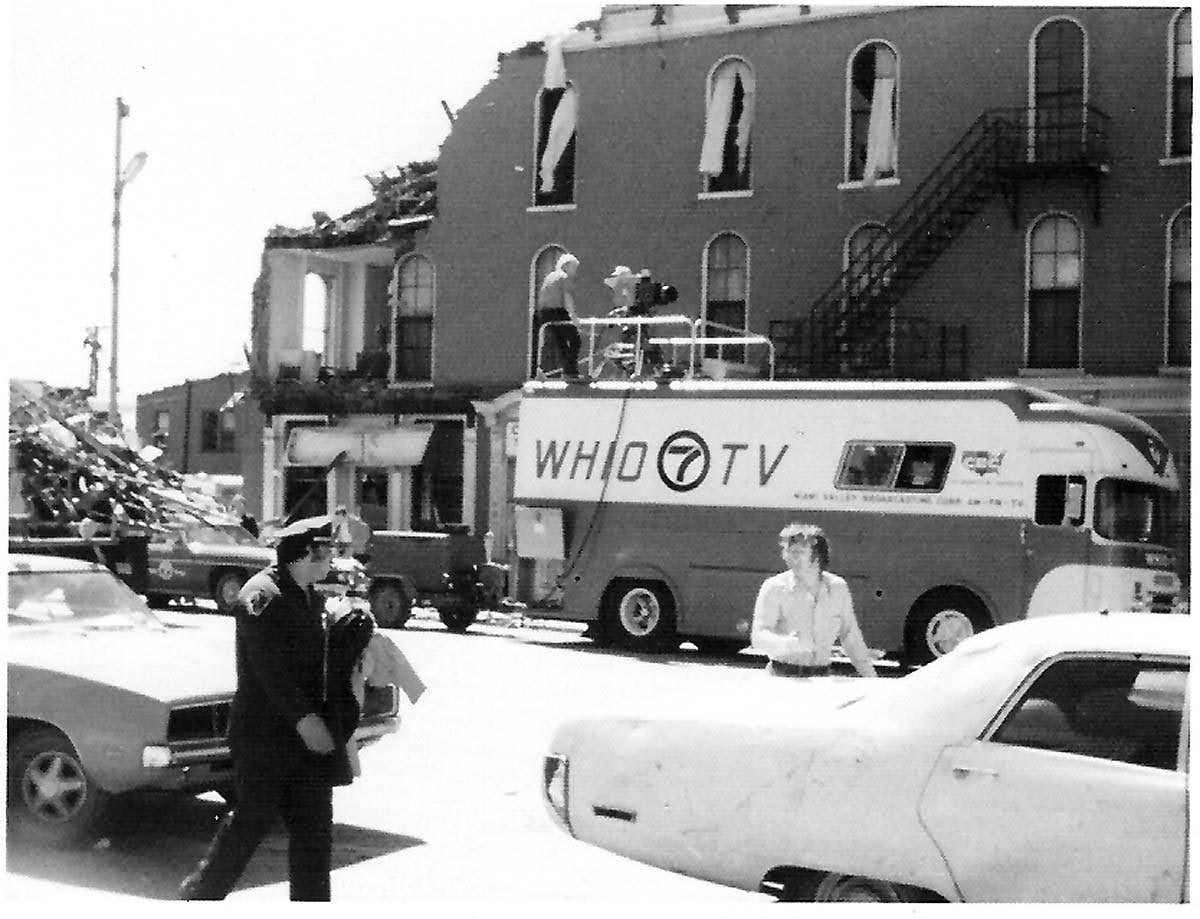
- The Xenia Hotel collapsed into a pile of brick.
- The Windsor Park and Pinecrest neighborhoods were virtually wiped off the map, leaving nothing but concrete slabs where ranch-style homes had stood.
- At Central State University, the storm tore through the campus, leveling the water tower and several historic buildings.
When the roar finally faded, a terrifying silence fell over the town, broken only by the hiss of broken gas lines and the distant wail of sirens from neighboring cities. Residents crawled out of basements to find a landscape they didn’t recognize. Landmarks were gone. The Xenia Daily Gazette building was a shell, yet its reporters immediately began scribbling notes on scraps of paperwork that would later win them a Pulitzer Prize.
In the days that followed, the National Guard moved in, and President Nixon flew over the ruins, stunned by the scale of the “Super Outbreak.” But amidst the wreckage, a new spirit took hold. Signs began appearing on pieces of plywood stuck in the mud. They all said the same thing: “Xenia Lives.”
The high school was a skeleton of twisted steel and shattered glass. In the eerie, post-storm silence, the drama students crawled out from the debris of the hallway. They looked back at the stage where they had been standing just sixty seconds earlier—it was crushed under the weight of a yellow school bus that the wind had tossed like a toy.
The students were alive, but the town they knew was gone.
As the sun began to set on April 3rd, the true grit of Xenia emerged. Neighbors who had lost everything didn’t sit in the ruins; they grabbed flashlights and started digging. The Greene County Memorial Hospital became a beacon, operating by candlelight and generators as hundreds of injured residents poured through the doors.
In the days that followed, the “Xenia Spirit” took a physical shape:
- The School Shift: Since the high school was a graveyard of bricks, the teenagers refused to give up their education. They shared the junior high building in “split shifts”—half the town’s kids went to school at dawn, the other half at noon.
- The Plywood Manifesto: Before the power was even back on, a local printer started handing out stickers. Soon, the words “Xenia Lives” were spray-painted on every standing wall and stuck to every car bumper. It wasn’t just a slogan; it was a defiance against the wind.
- The New Downtown: The town leaders made a bold choice. Instead of just patching up the old, narrow streets, they used federal aid to skip a decade of progress. They leveled the worst-hit ruins and built Xenia Towne Square, turning a disaster into a modern rebirth.
The most chilling reminder remained the high school clock. It had been ripped from the wall and found in the wreckage, its hands frozen forever at 4:39 p.m.—the exact moment the heart of Xenia stopped, only to start beating again with a new, fierce resolve.
The sirens that wail across the Midwest today owe their existence to the silence that fell over Xenia on that April afternoon. In 1974, there was no mechanical scream to warn the town; there was only the sky turning the color of a bruised plum and the sudden, terrifying roar of the wind.
As the F5 monster retreated, leaving a scar a half-mile wide, the National Guard rolled into town. By nightfall, the ruins of Xenia looked like a war zone. Under the harsh glow of portable floodlights, young Guardsmen stood at every intersection, their silhouettes sharp against the jagged remains of the Arrowhead subdivision. They weren’t just there to keep order; they were there to hold the line while a shattered community searched for survivors. For weeks, these soldiers lived in tents, helping families sift through splinters of wood to find a single photograph or a wedding ring.
But while the Guard patrolled the streets, meteorologists were pacing in offices, haunted by what had happened. They realized that Xenia had been blind and deaf to the monster at its doorstep.
The tragedy became a turning point for the entire nation:
- The Birth of the Siren: Seeing how many lives were saved by sheer luck or the sight of the funnel, officials realized “luck” wasn’t a safety plan. Xenia became one of the first cities to install a massive, interconnected tornado siren system, a model that was soon copied by every storm-prone town in America.
- The 3:00 PM Drill: Every school child in the Midwest knows the routine now—crouching in a hallway with hands over their heads. That drill became a mandatory ritual because of the drama students who survived at Xenia High. Their story proved that a hallway and a few seconds of warning were the difference between life and a school bus landing on your head.
- The Eyes in the Sky: The failure to track the “Super Outbreak” in real-time led to a massive push for Doppler Radar. The fuzzy green blobs on 1974 television screens were replaced over the decades by the high-definition hooks and debris balls we see on weather apps today.
One of the Guardsmen later remarked that he arrived in a town that looked dead, but he left a town that was “loud.” Xenia wasn’t just rebuilding its walls; it was building a voice—a system of sirens and signals designed to ensure that no town would ever be caught in the silence again. Inside the offices of the Xenia Daily Gazette, the windows didn’t just break; they imploded. As the F5 monster tore through the building, the reporters and editors dove under heavy oak desks, listening to the sound of their own town being shredded. When they finally crawled out, the ceiling was gone and the air was thick with the smell of wet plaster and dust.
They didn’t go home. They didn’t even stop to check if their own houses were still standing. Instead, they grabbed cameras and pads of paper, stepping over downed power lines and through rivers of shattered glass to document the nightmare.
With no power and half their press destroyed, they refused to let the city fall into a communications blackout. Working by flashlight, they scribbled the names of the missing and the dead. They published a paper the very next day—a slim, gritty edition that served as the town’s heartbeat. That relentless dedication earned the Gazette the Pulitzer Prize, proving that even when a city’s walls fall, its voice can remain standing.
But for all the heroics, the cost was heavy. At the edge of the town square today stands a quiet, granite monument. It bears the names of 33 people who were taken in those few violent minutes. Two more names were added later—National Guardsmen who died in a fire while protecting the ruins they had come to save. Every April 3rd, the people of Xenia gather at that memorial. They look at the names of the teachers, the shopkeepers, and the children. They remember the green sky and the roar like a thousand trains. But mostly, they look at the modern, thriving city around them.
The Xenia Tornado Memorial isn’t just a place of mourning; it’s the final chapter of the story. It stands as a silent promise that while the wind can take the buildings, it can never take the people who refuse to leave them.
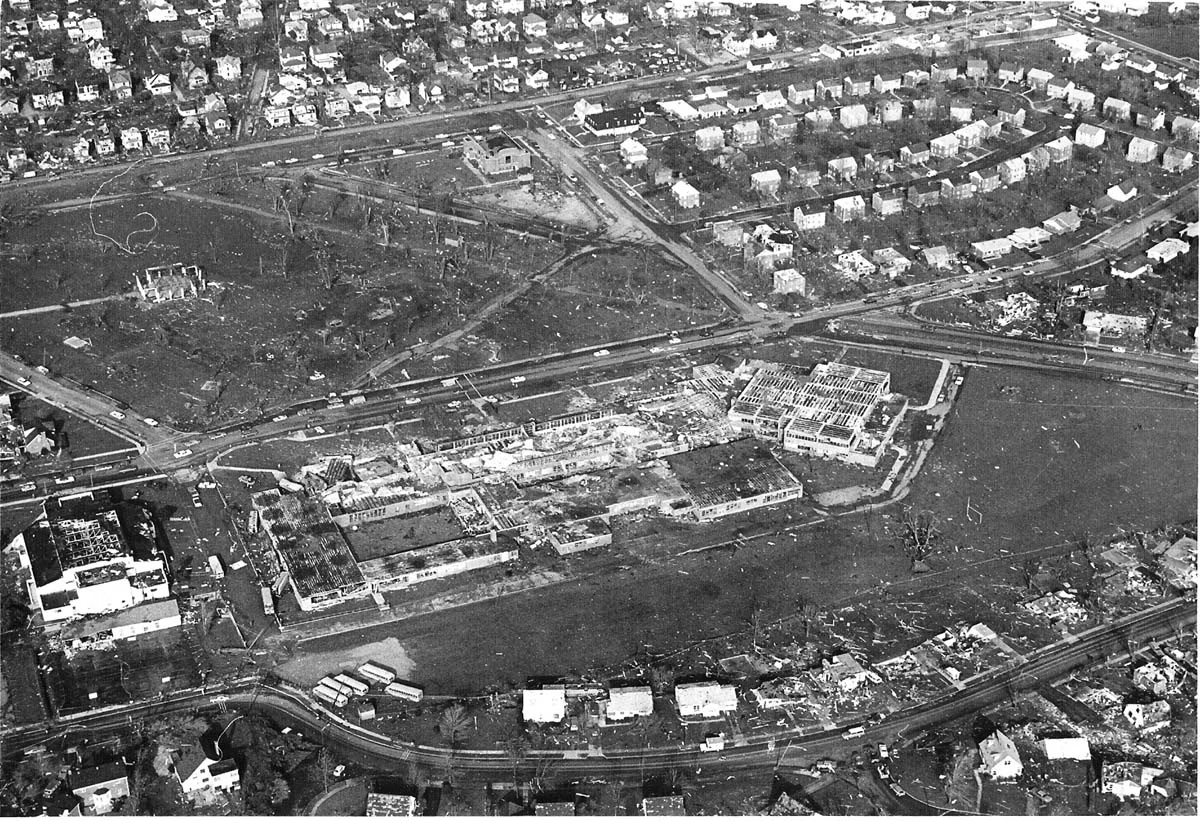
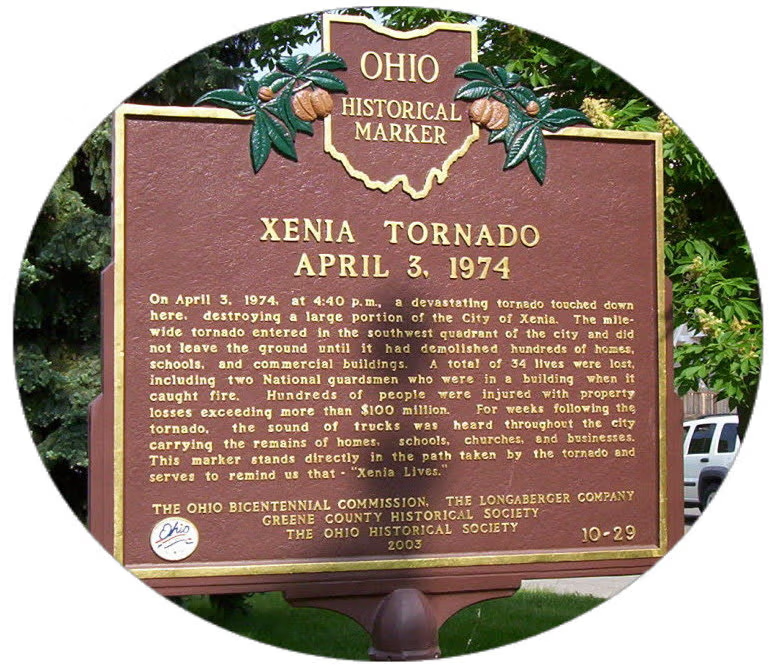
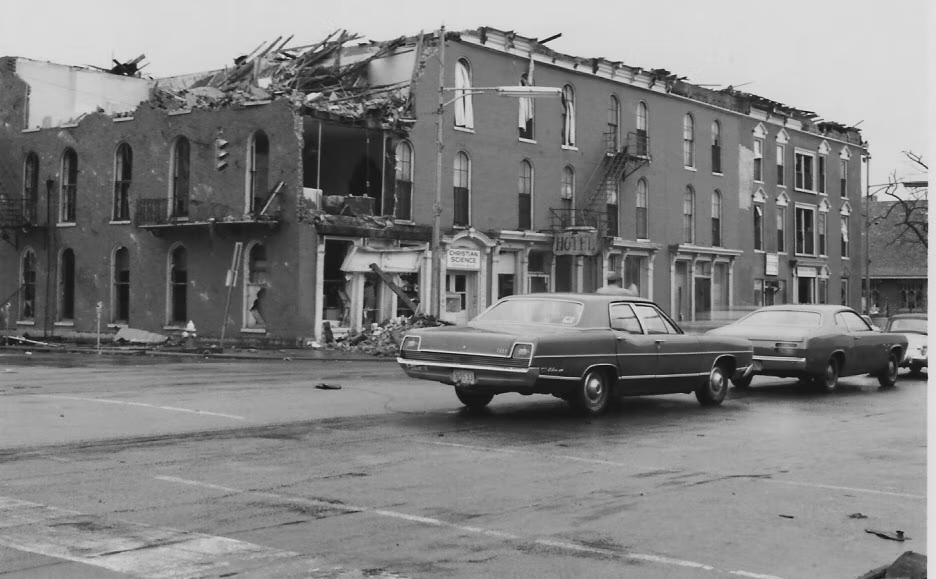
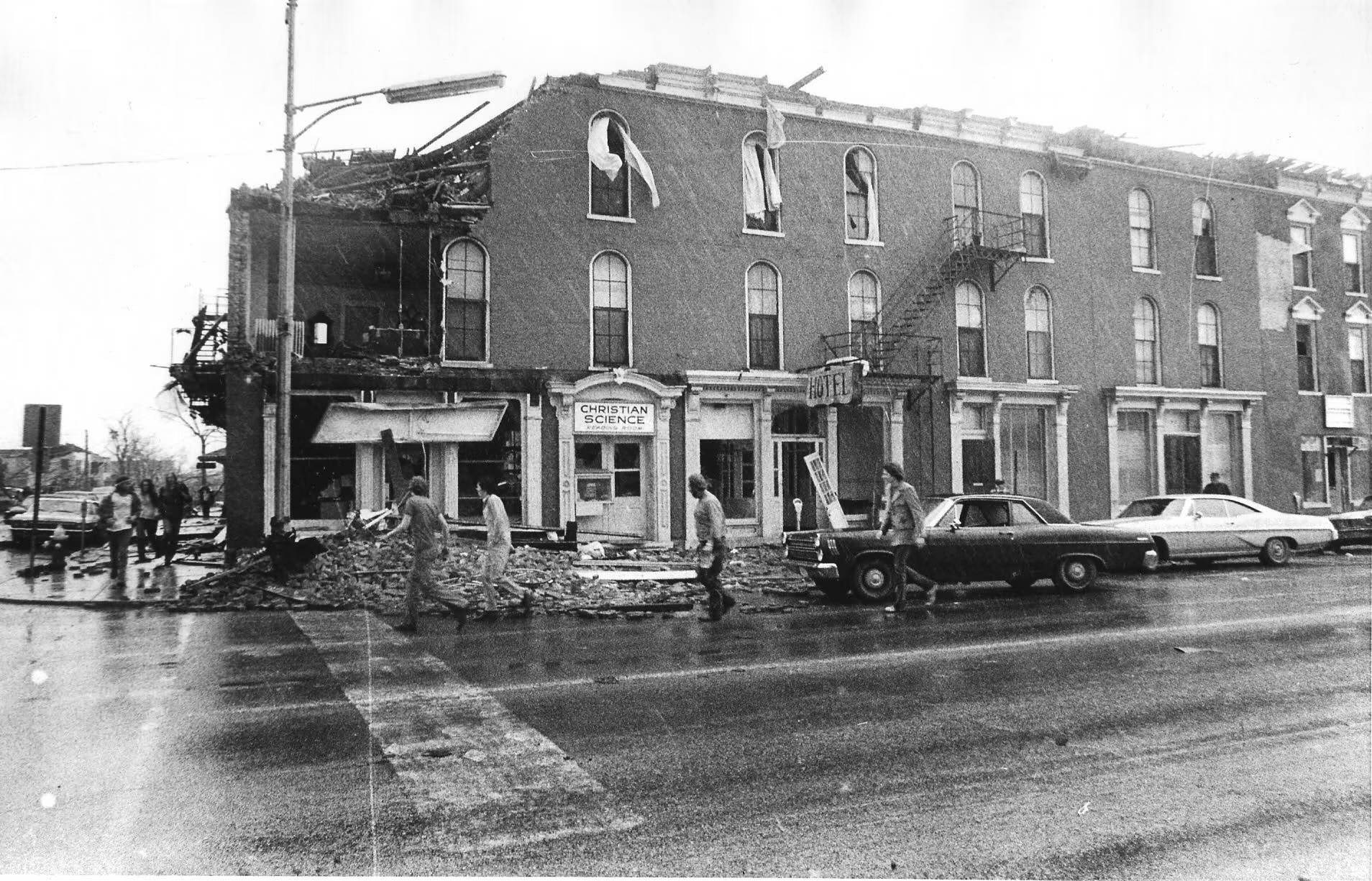
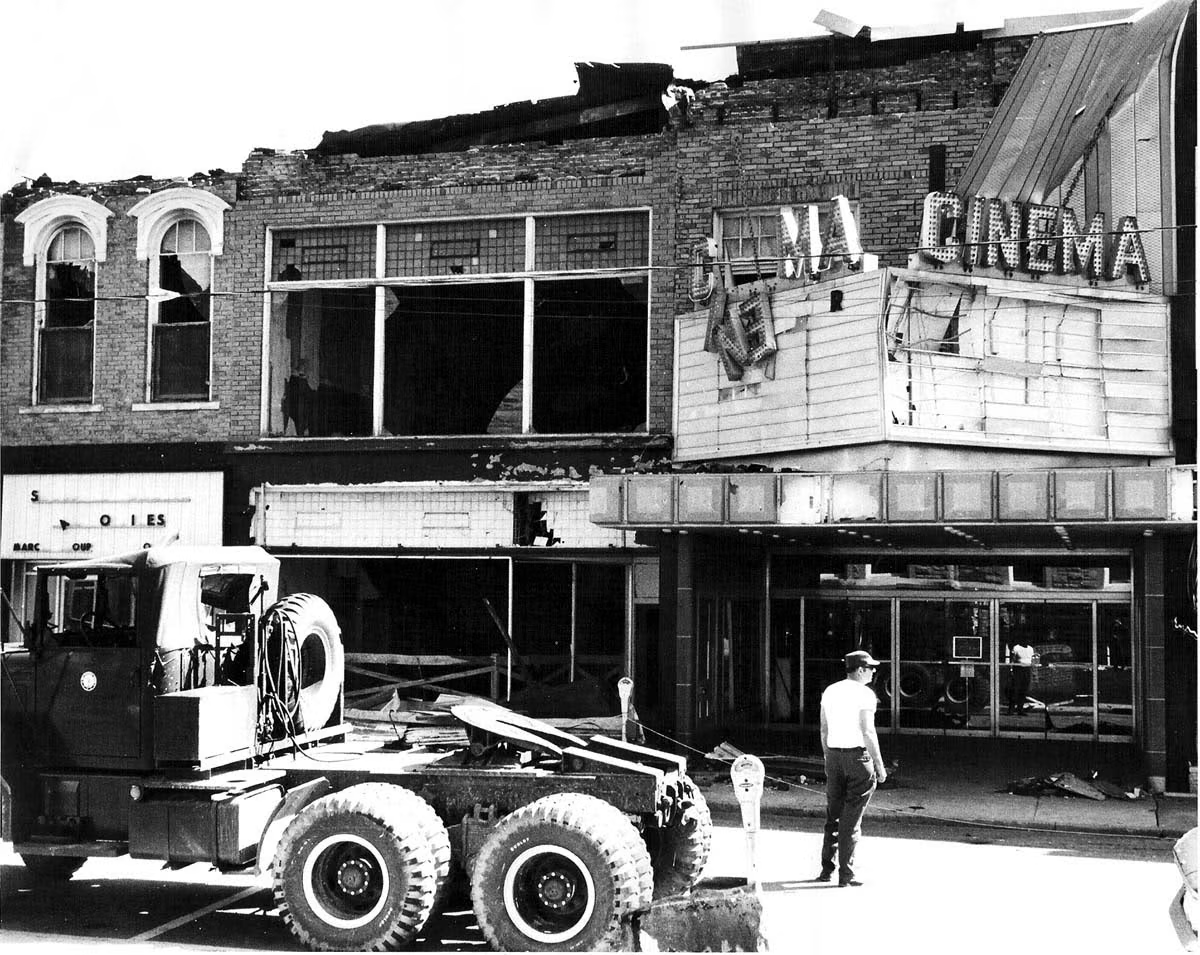
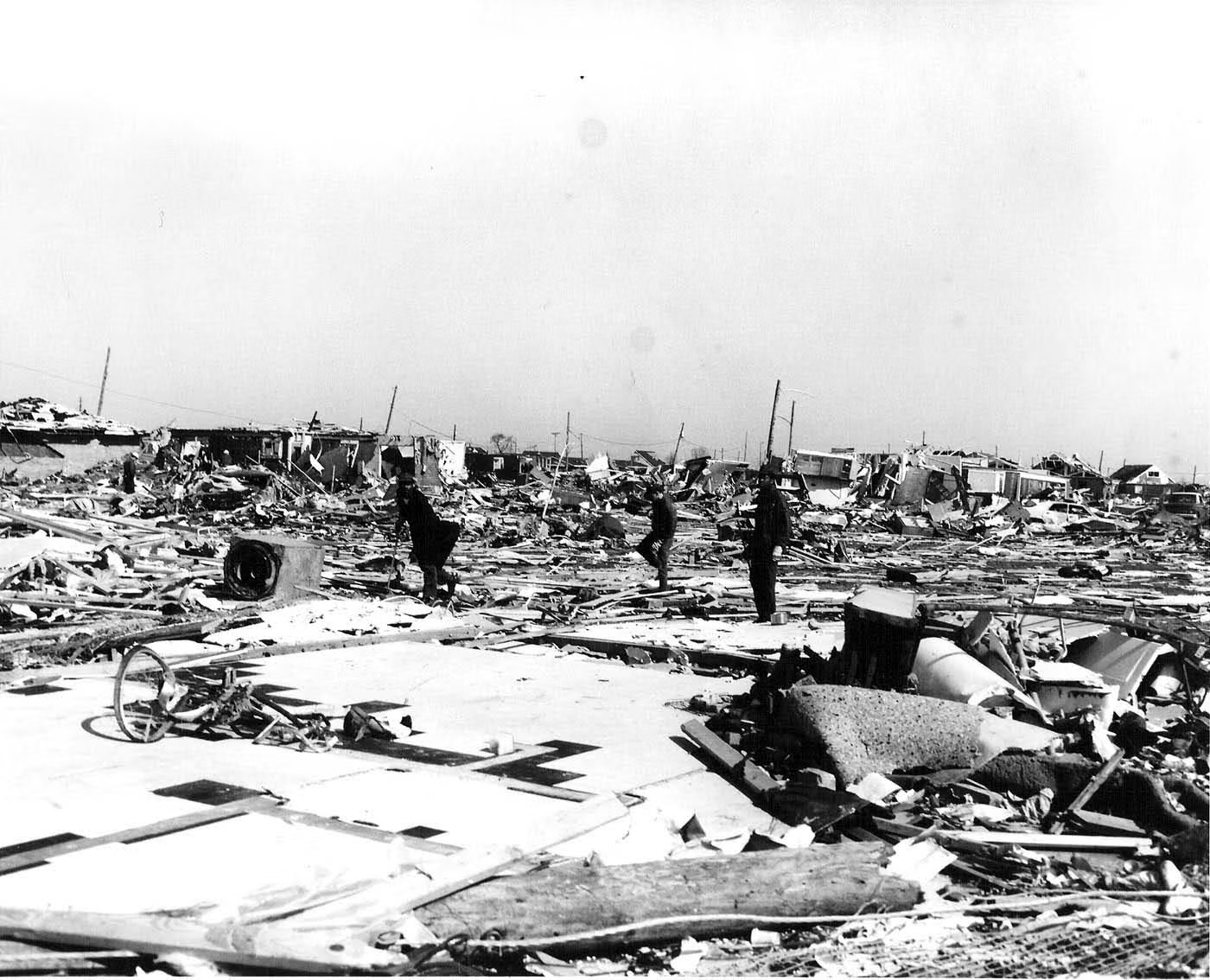
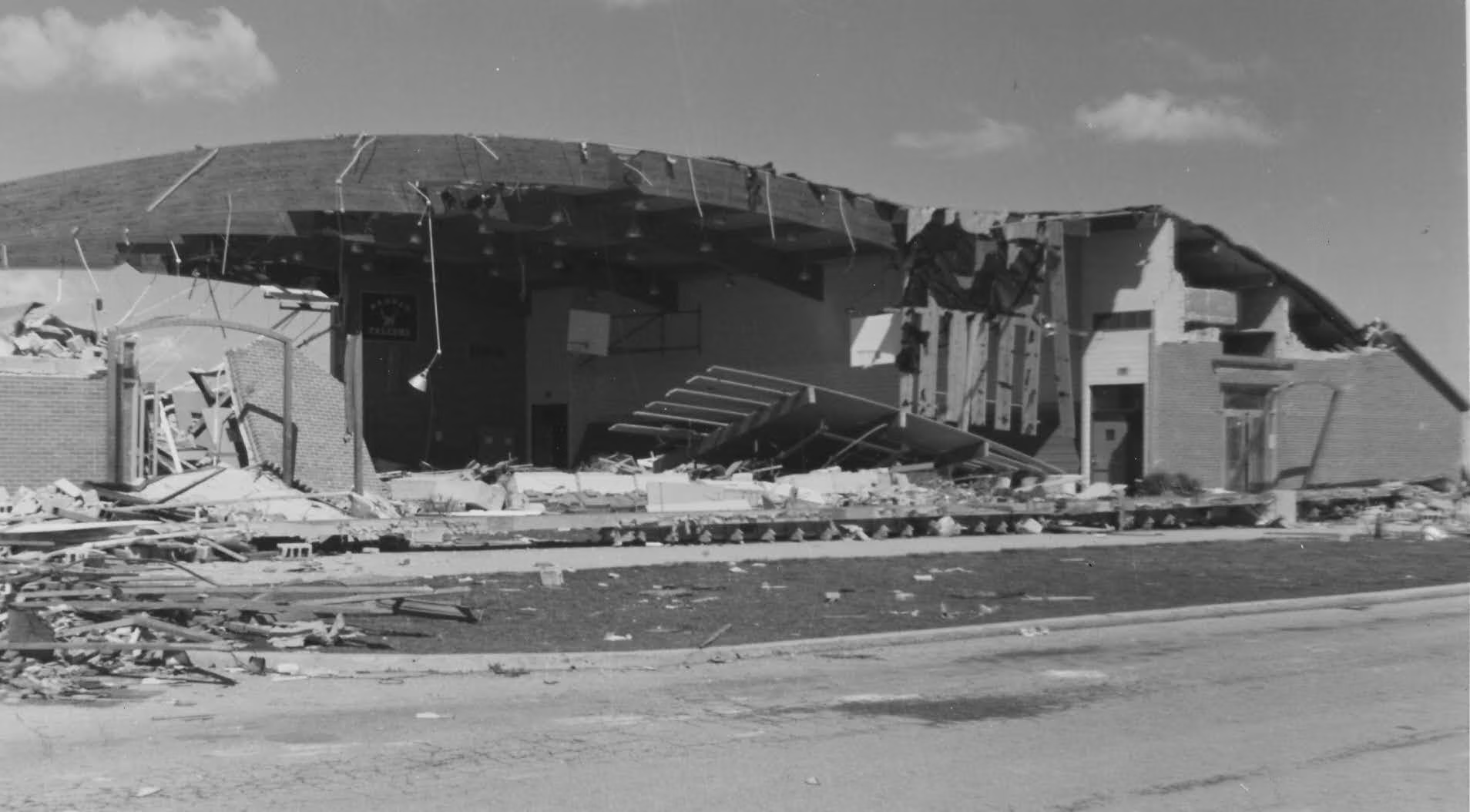
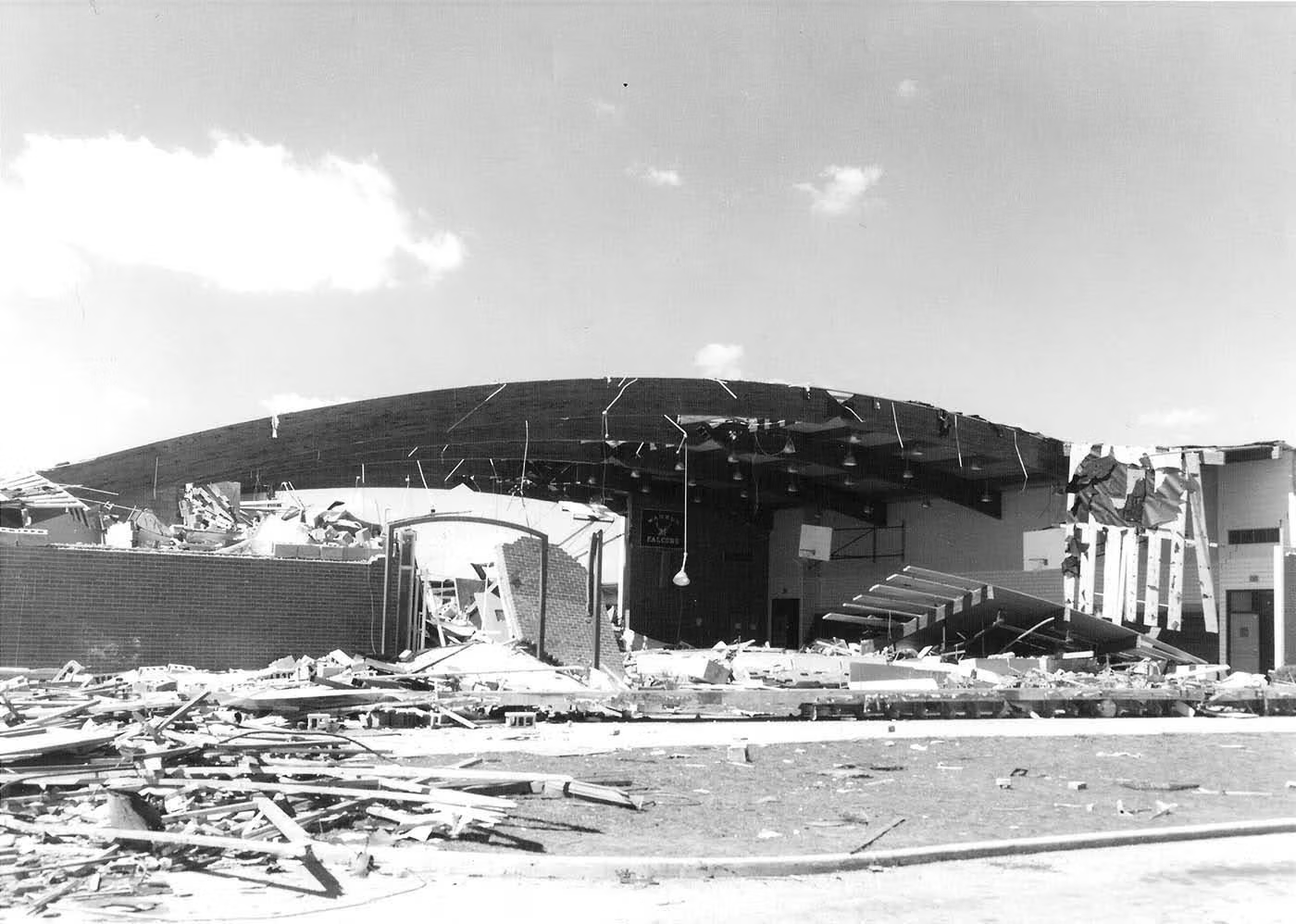
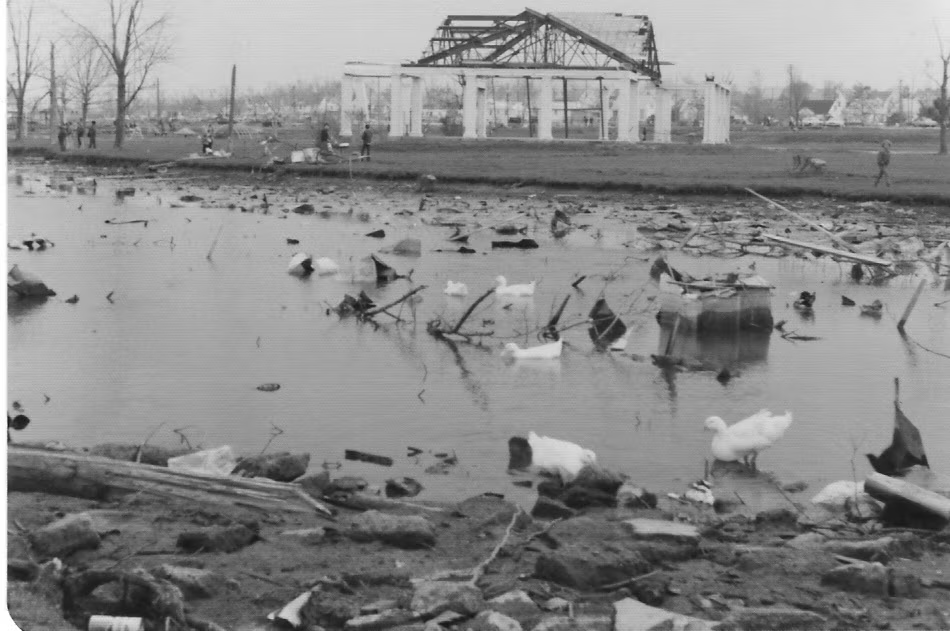
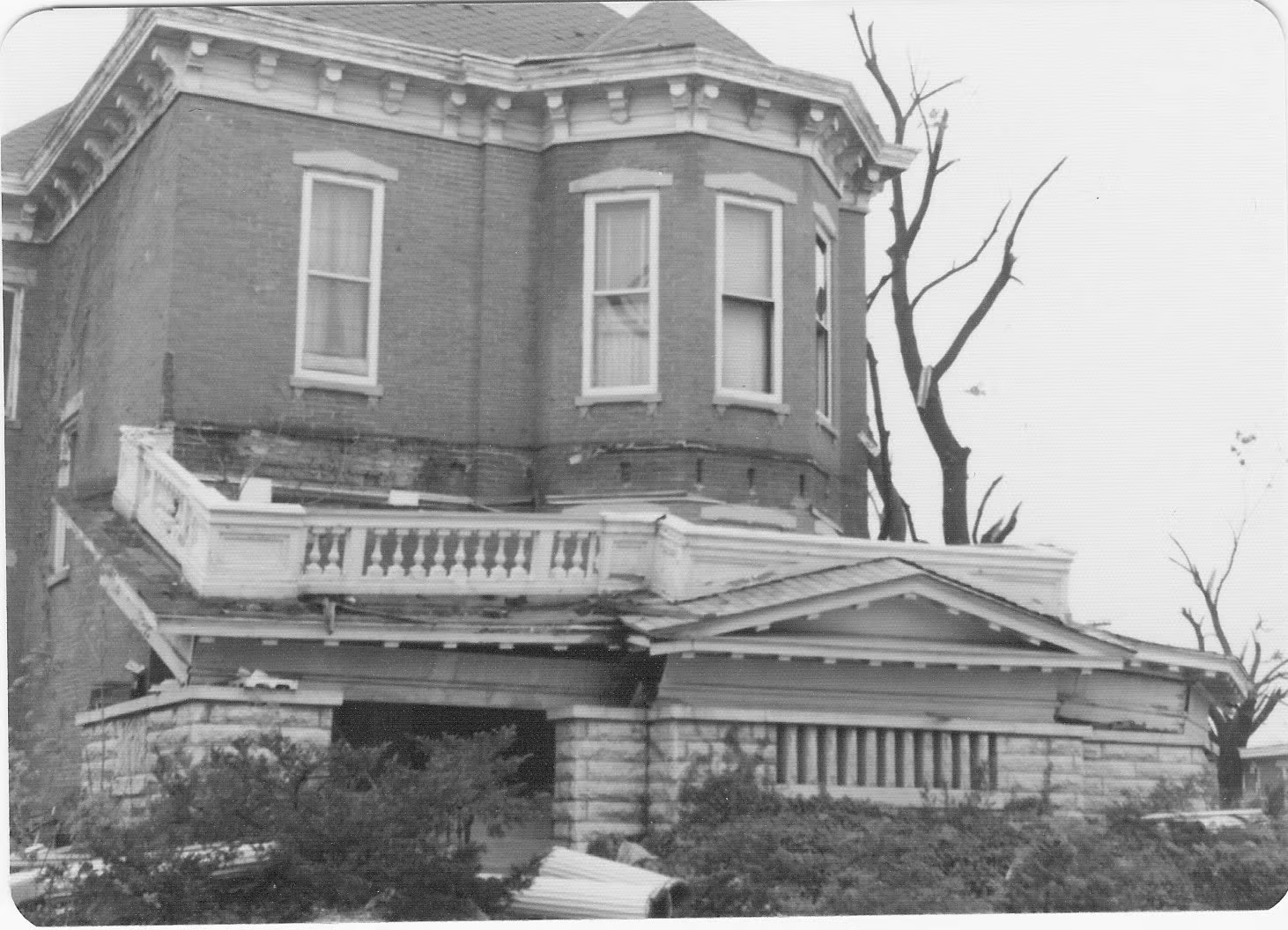

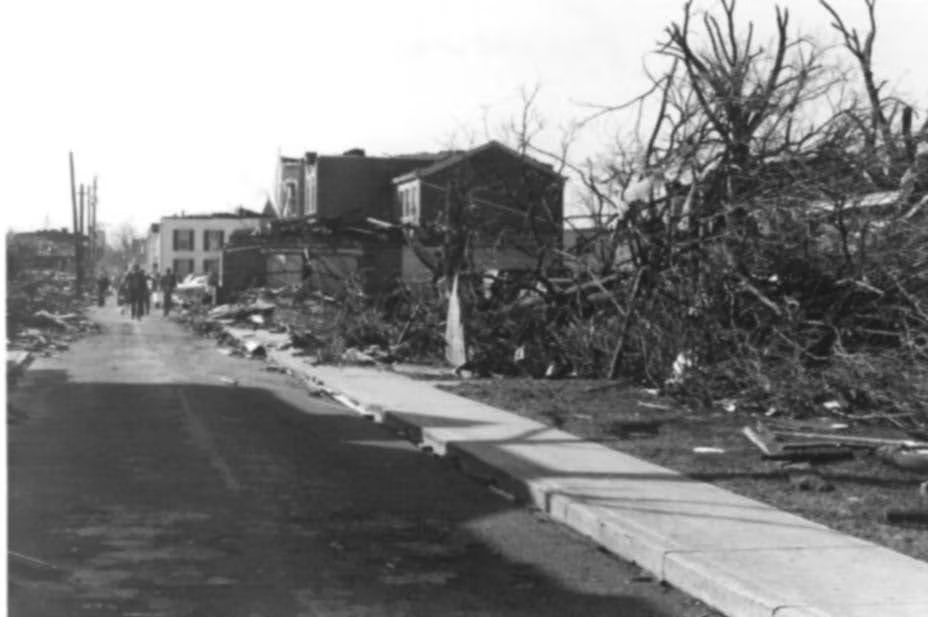
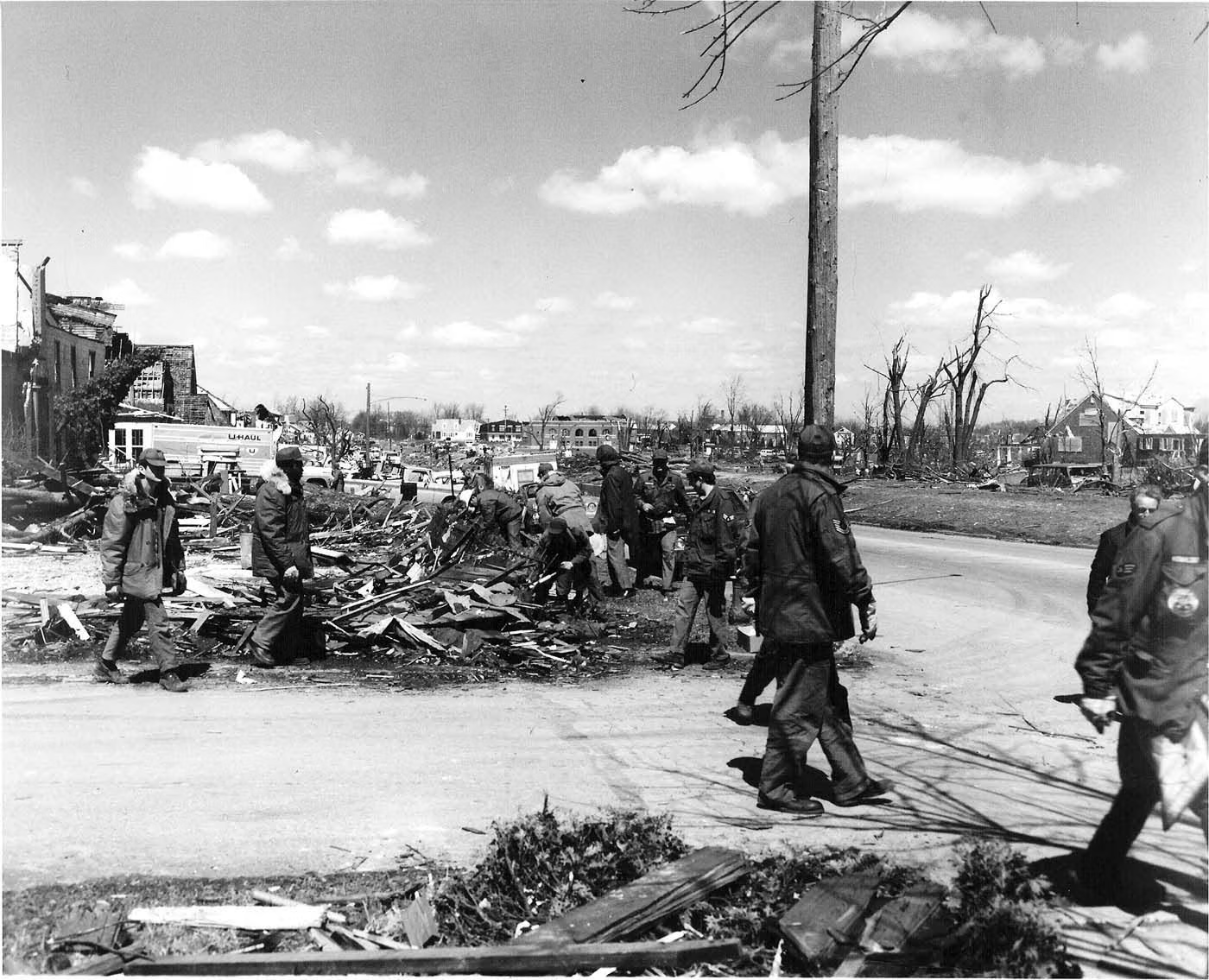
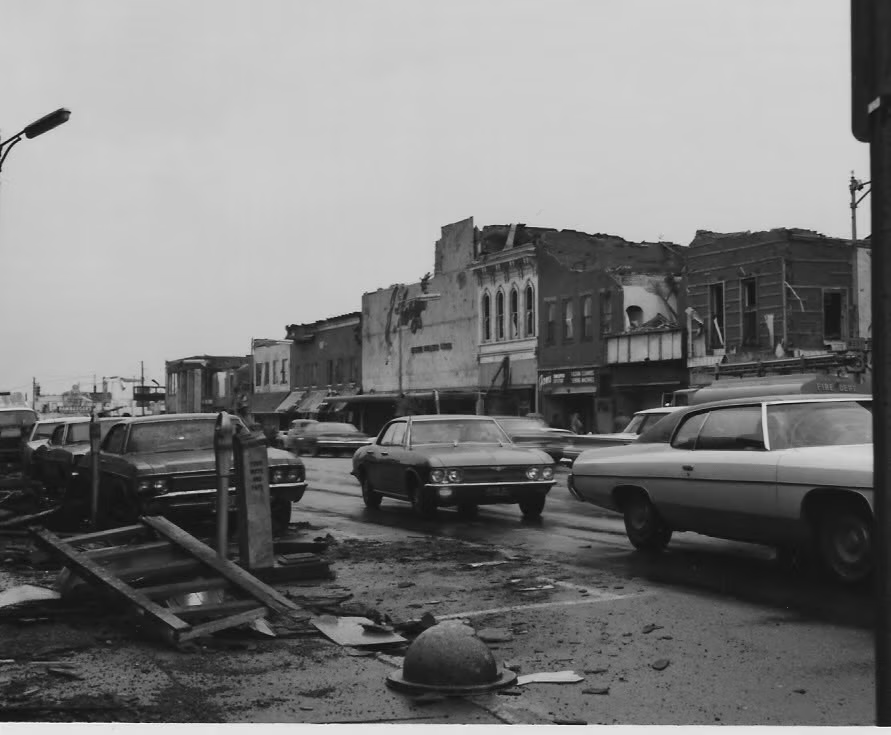
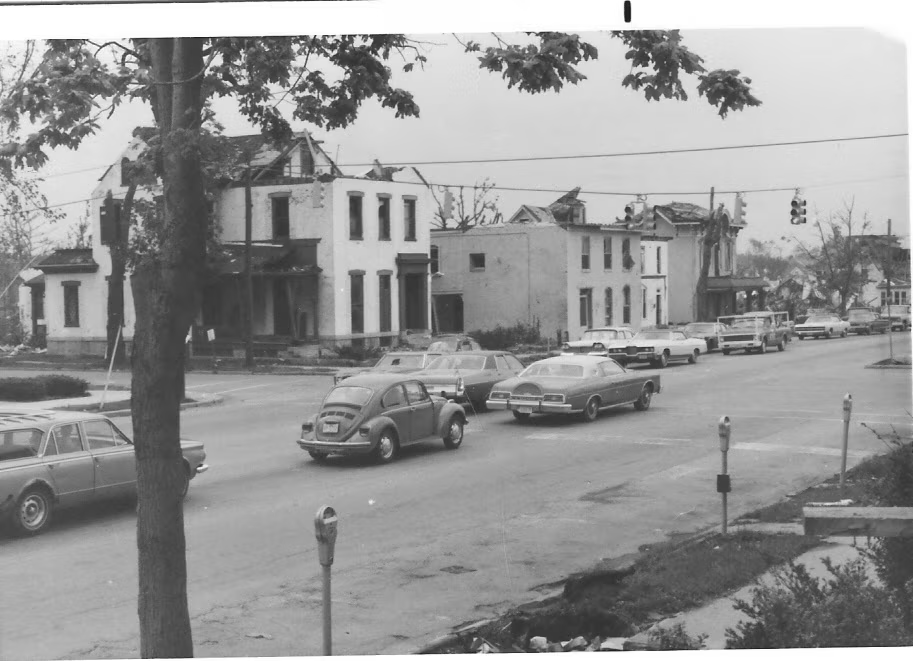
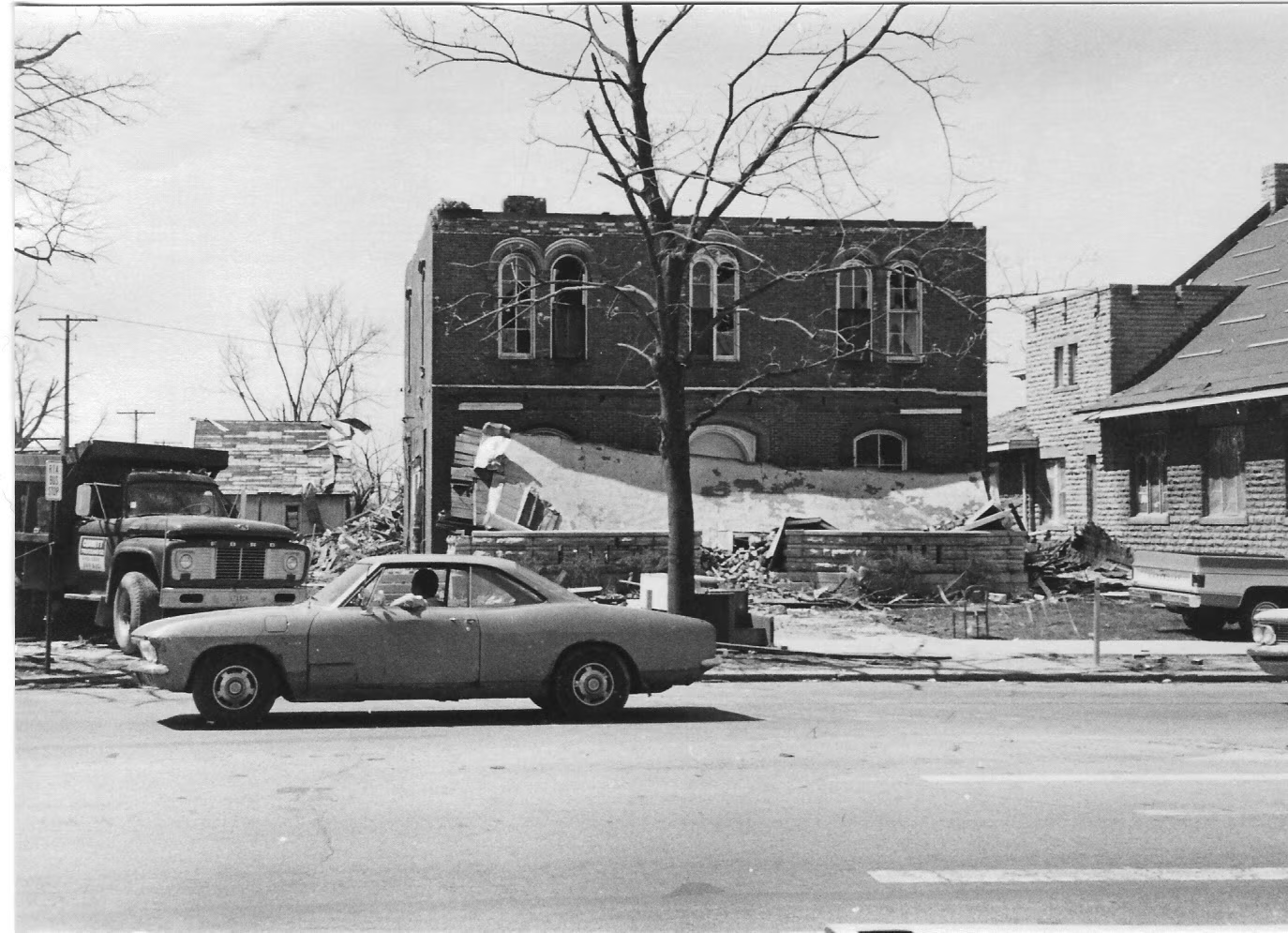
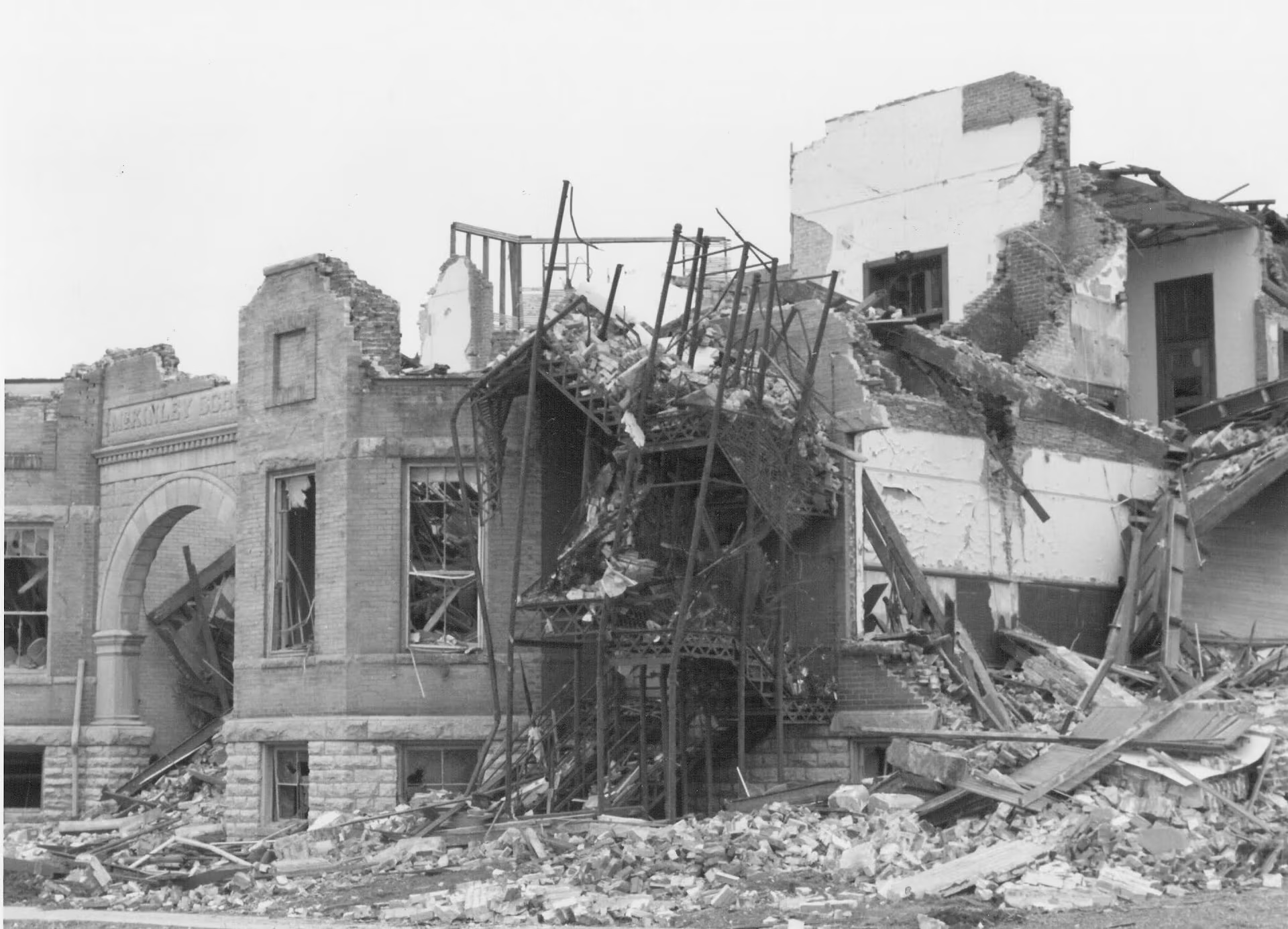
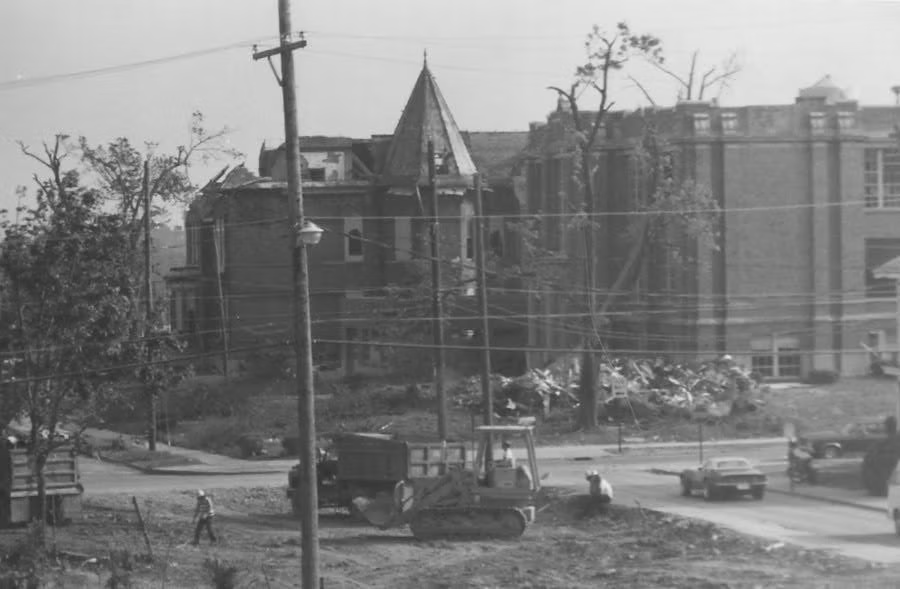
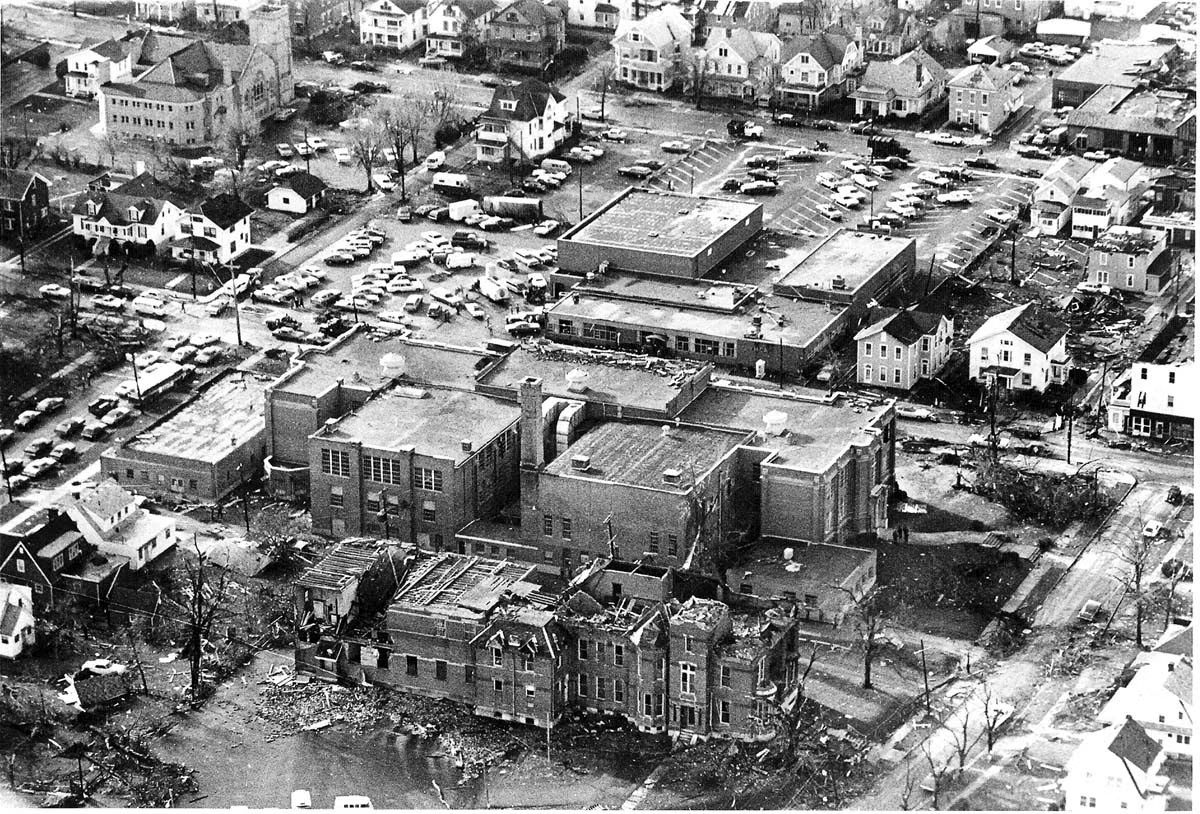
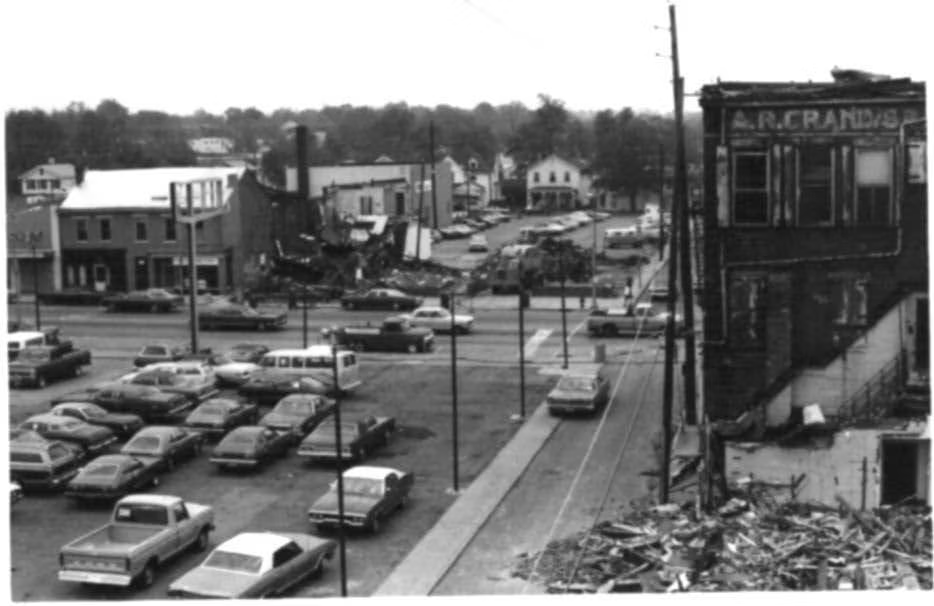
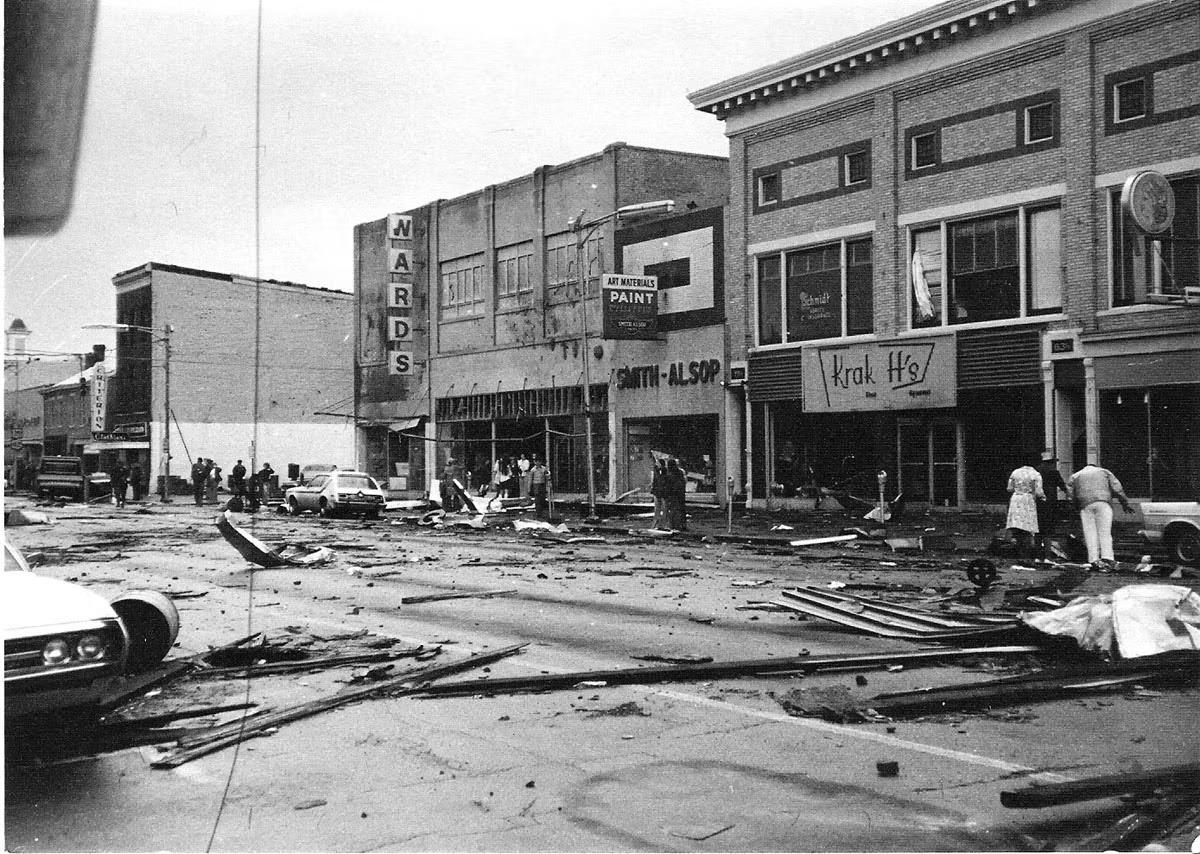
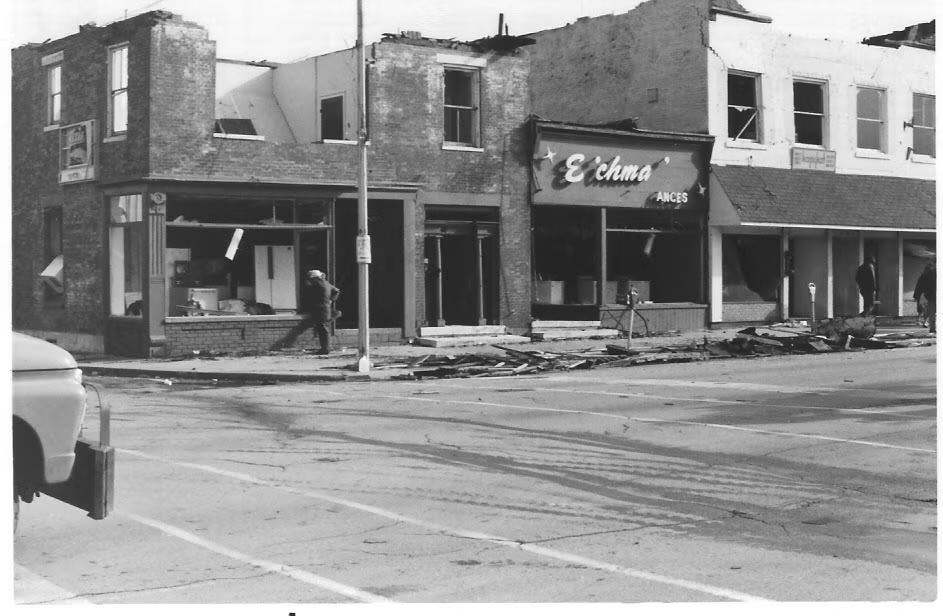
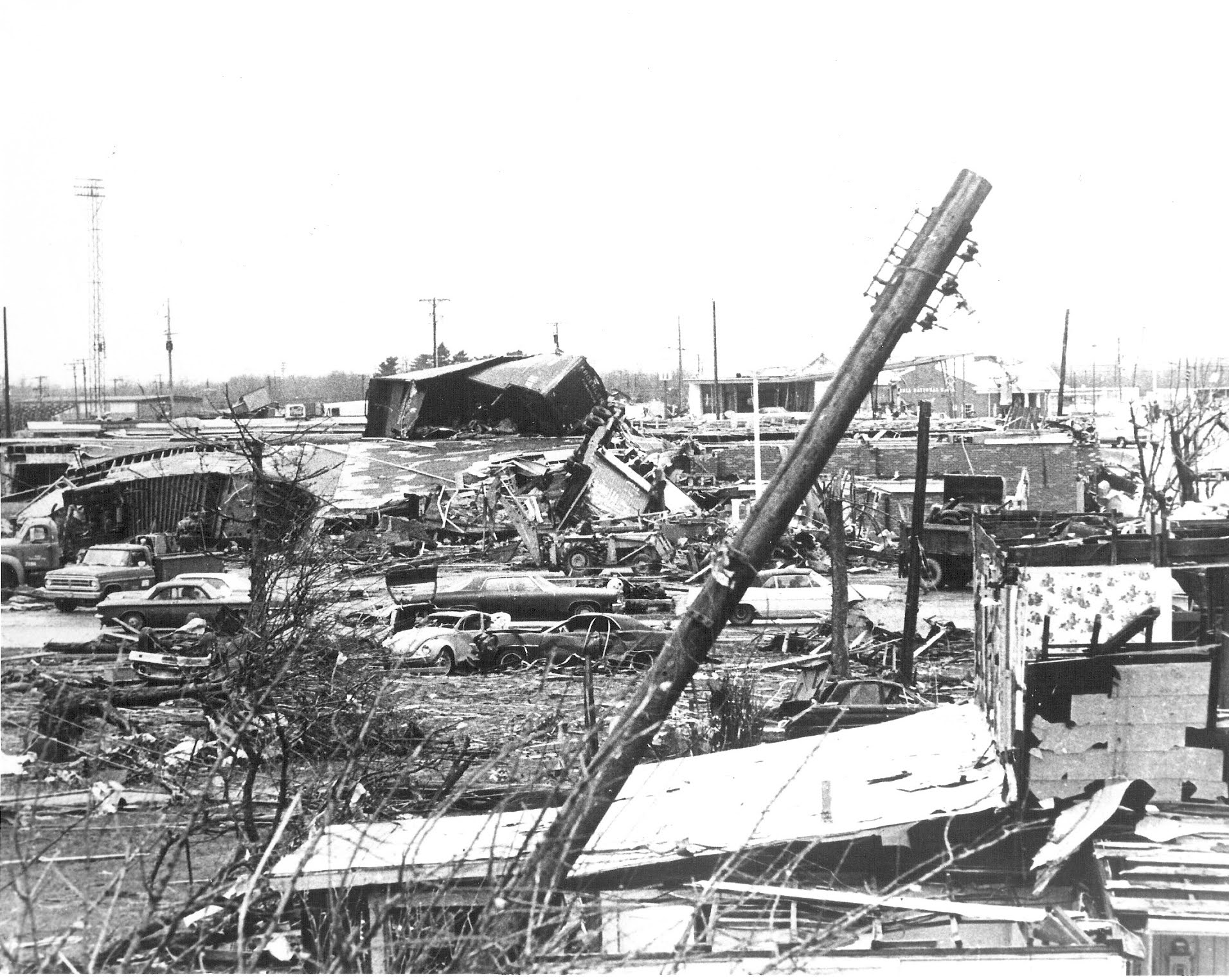
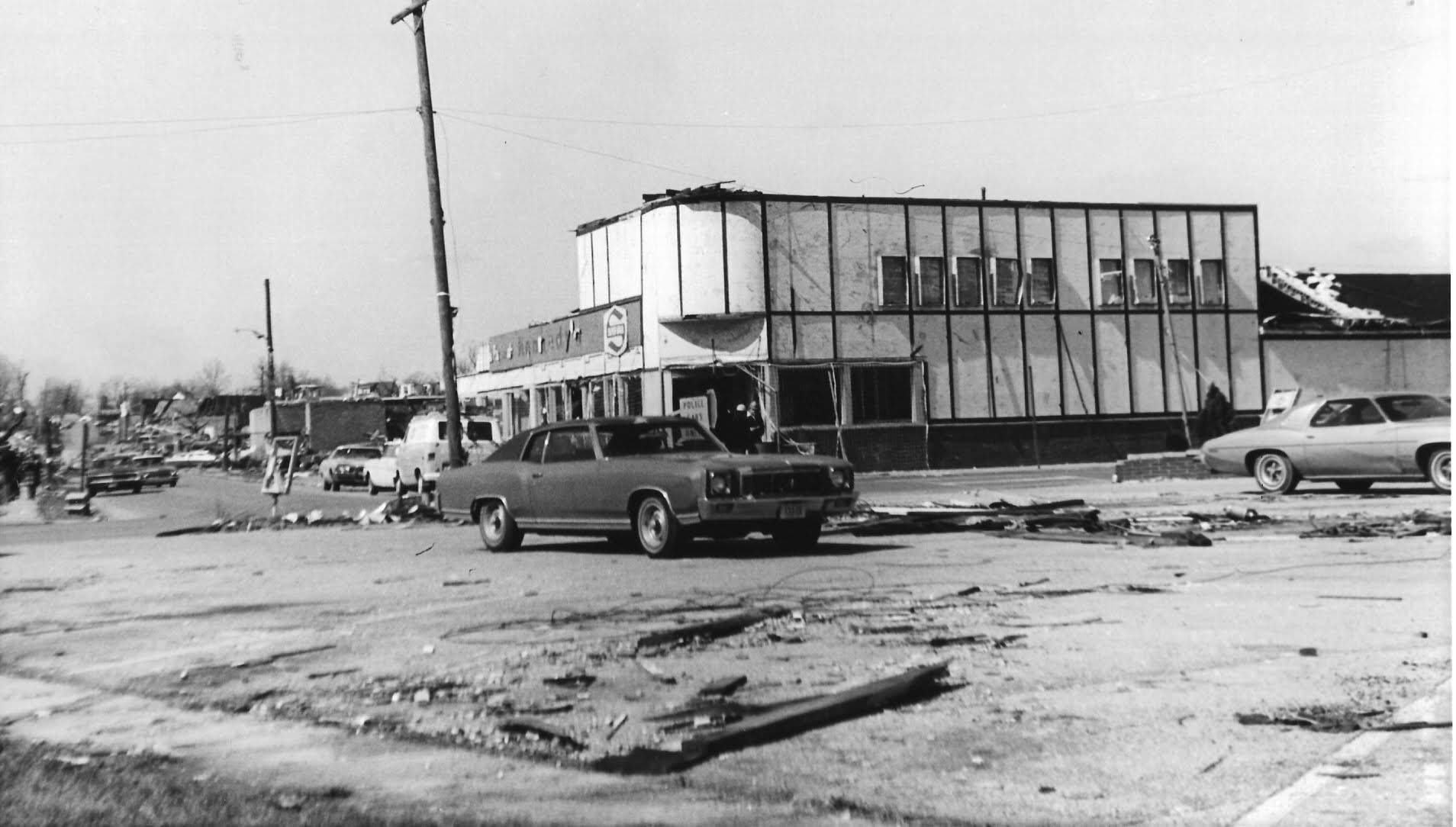
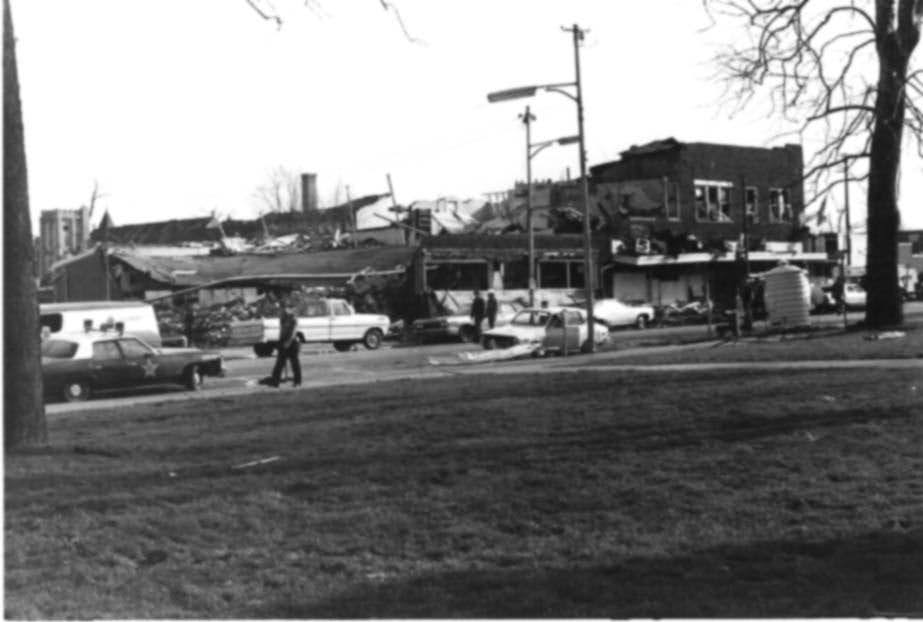
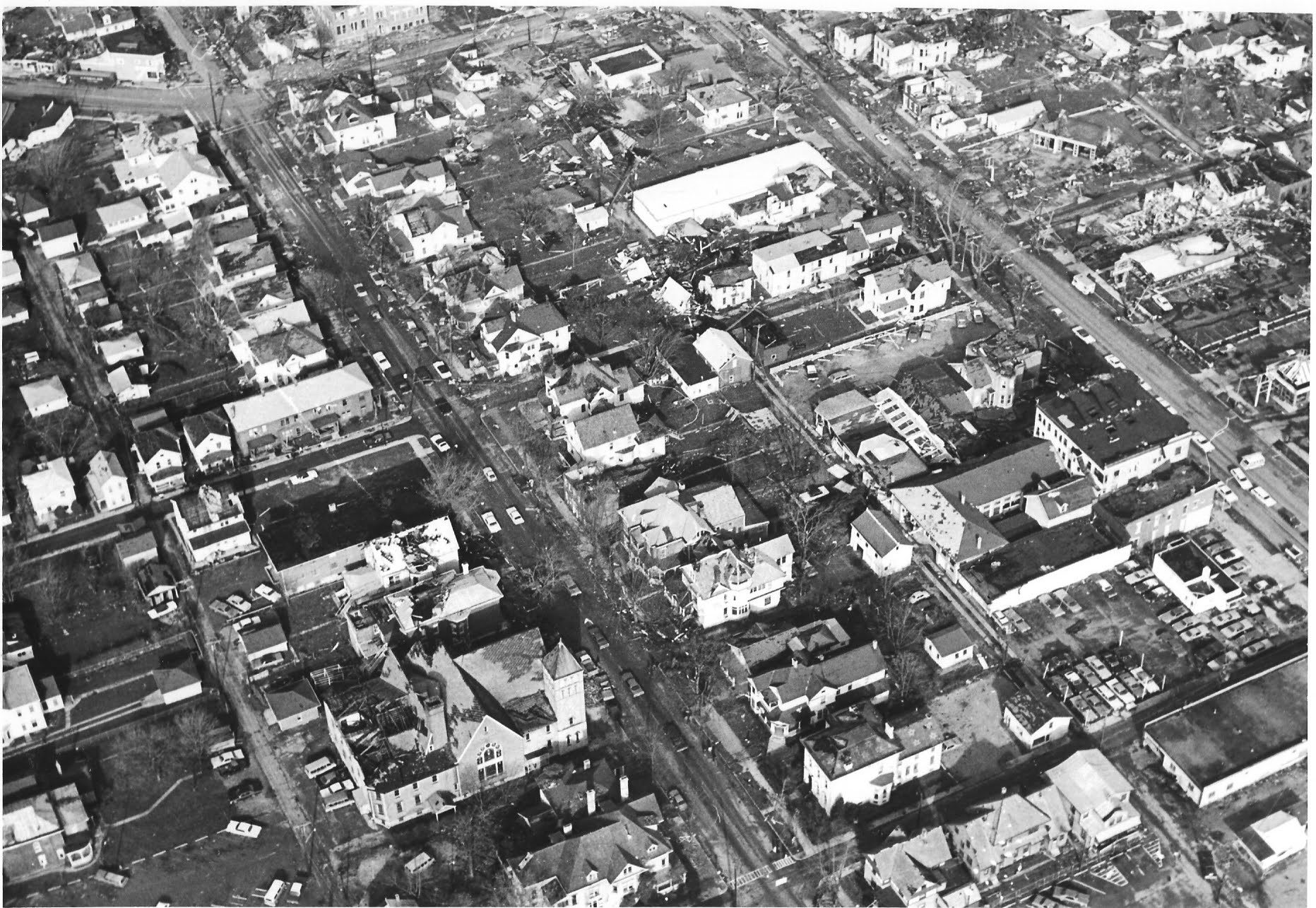
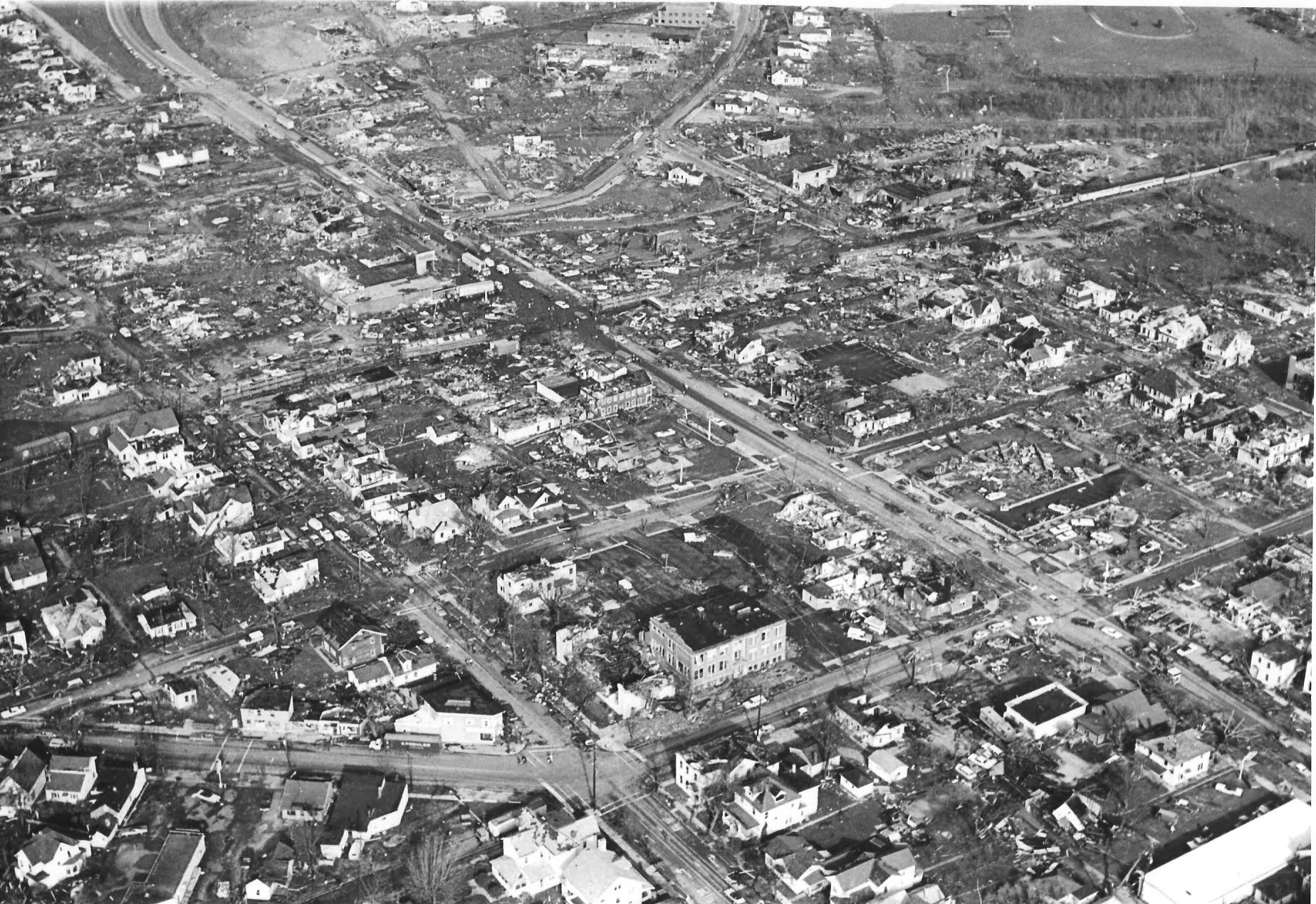
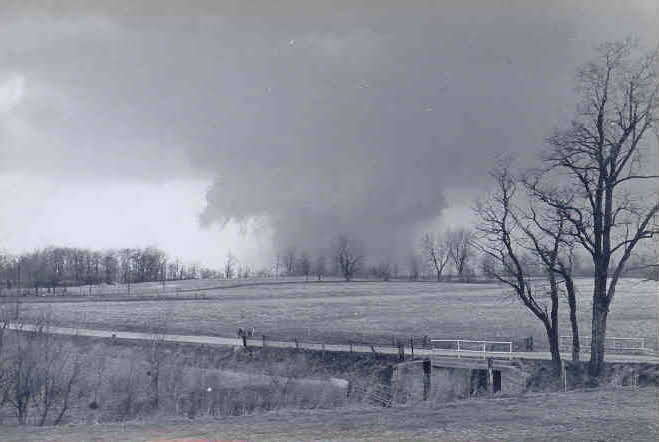
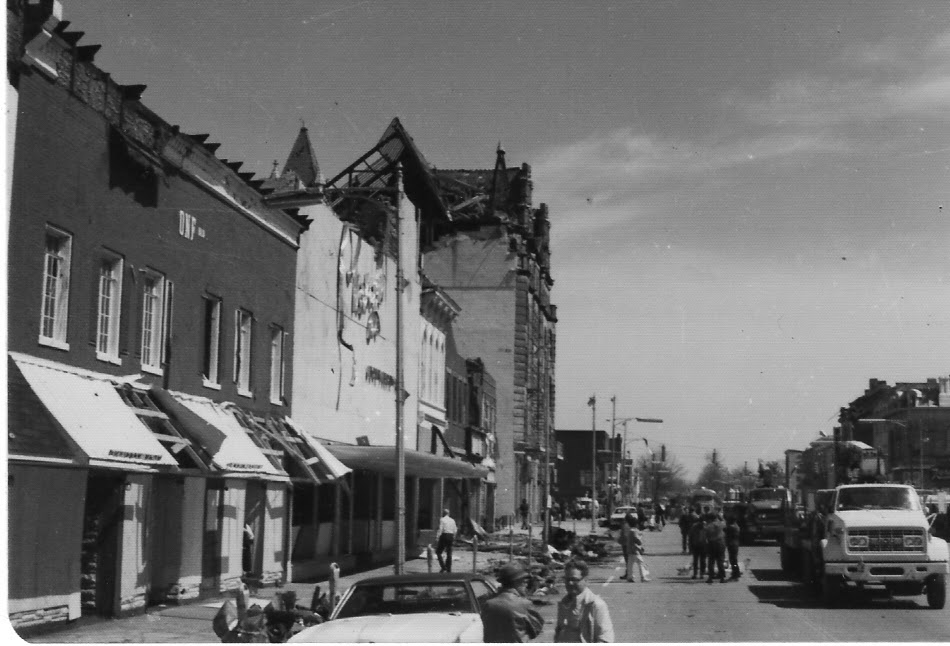
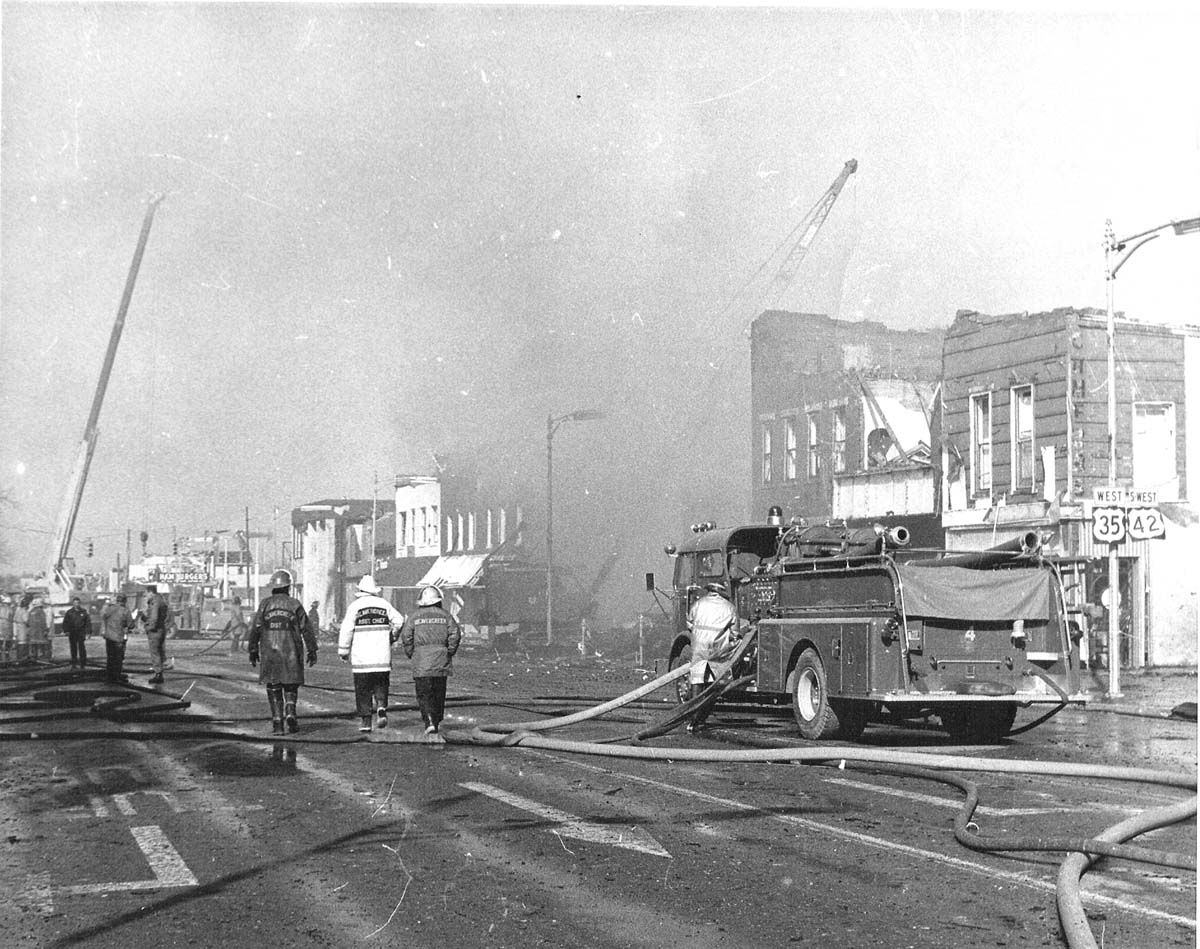
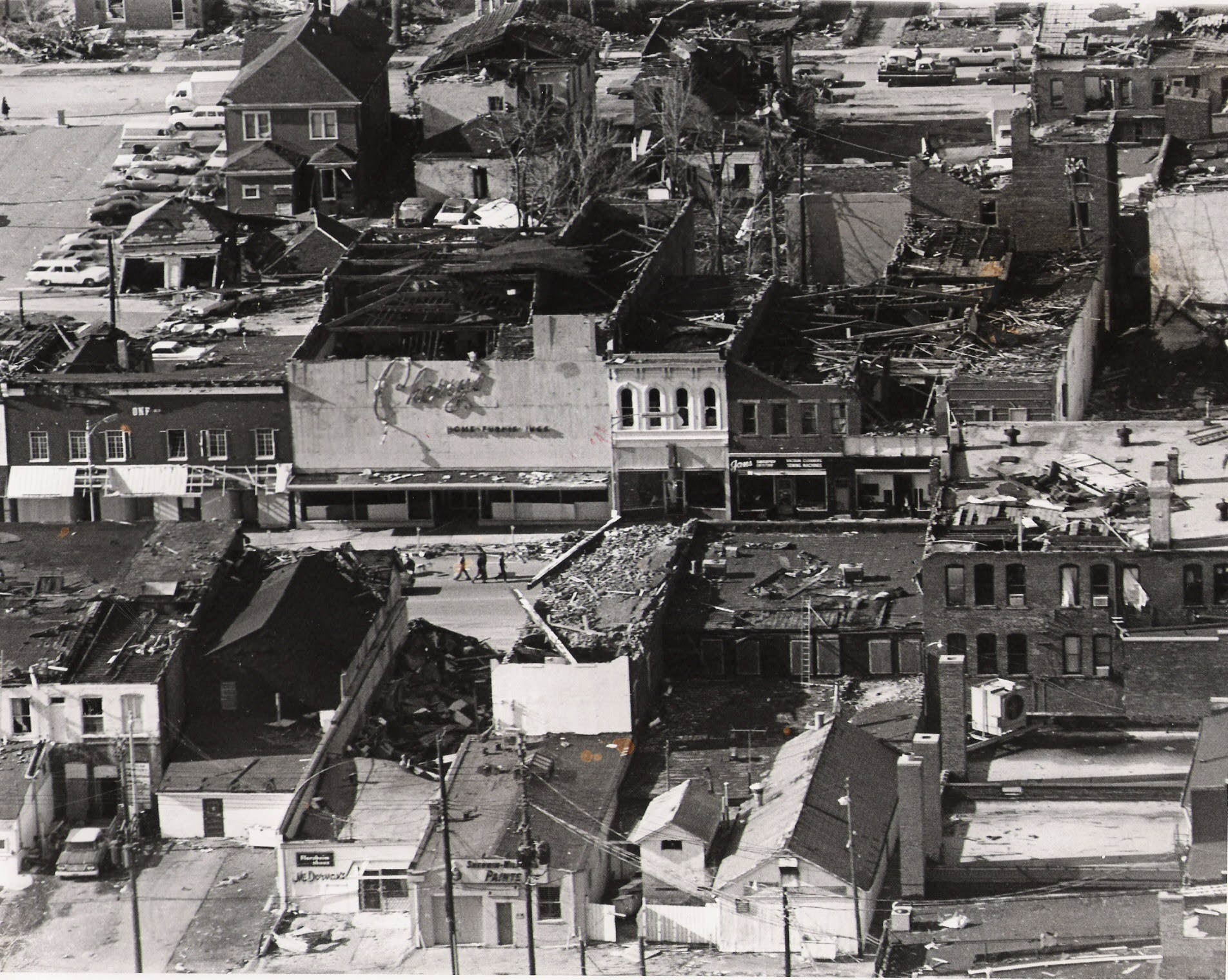
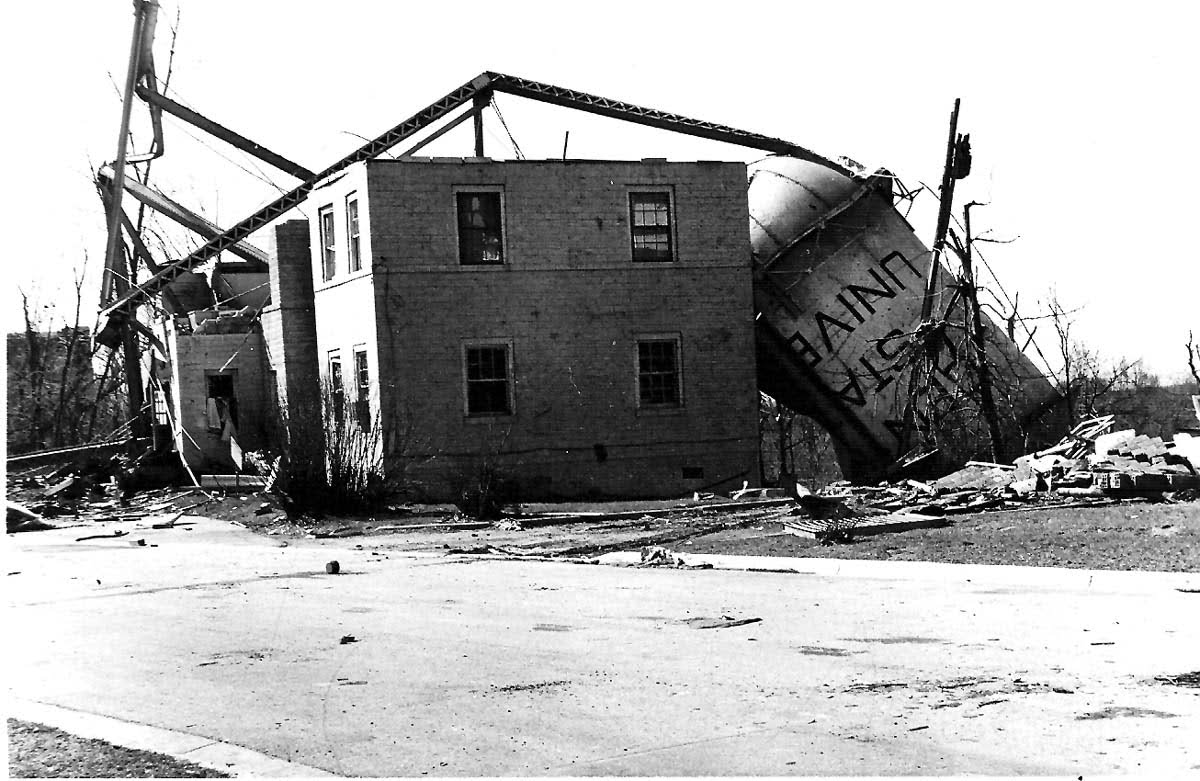
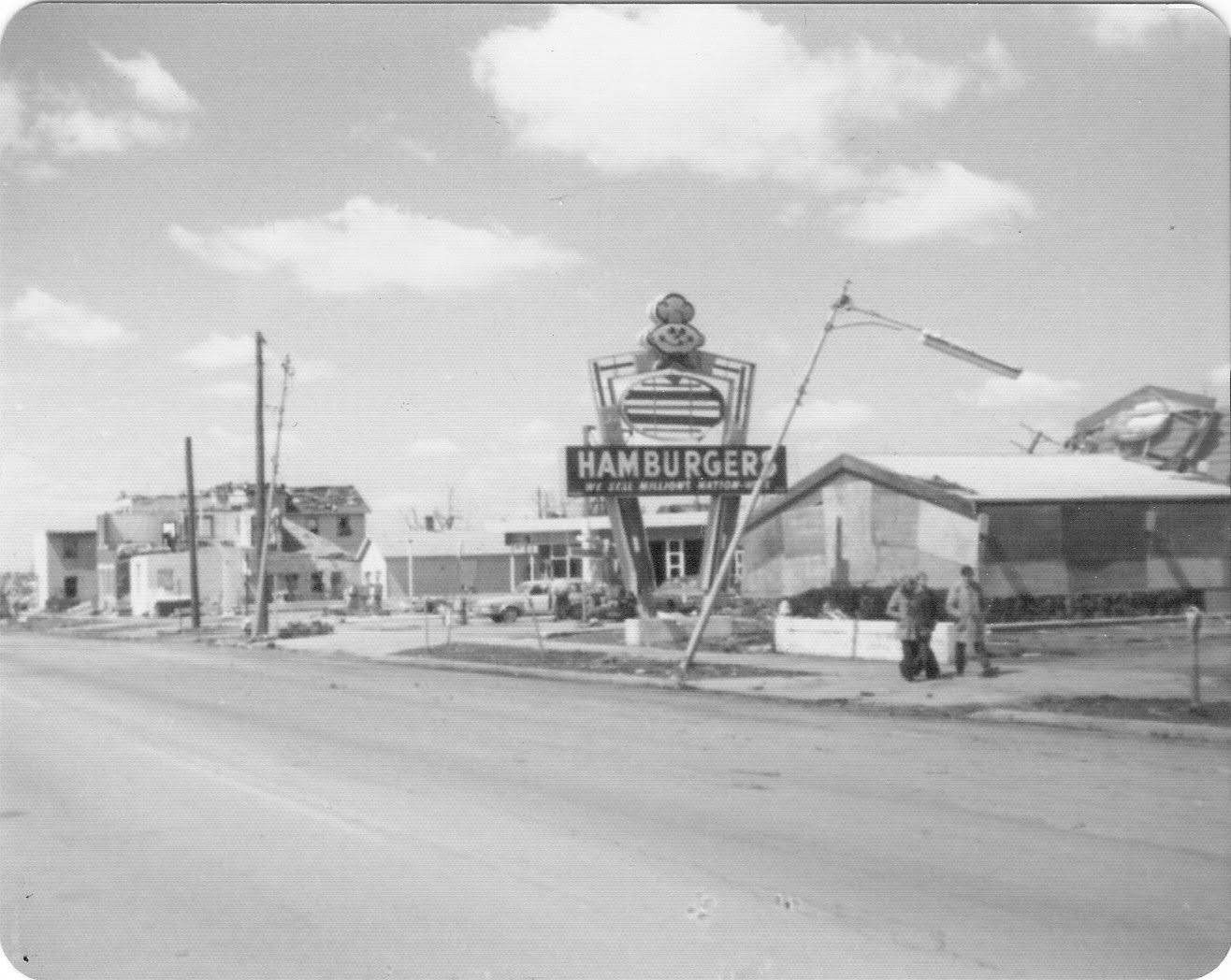
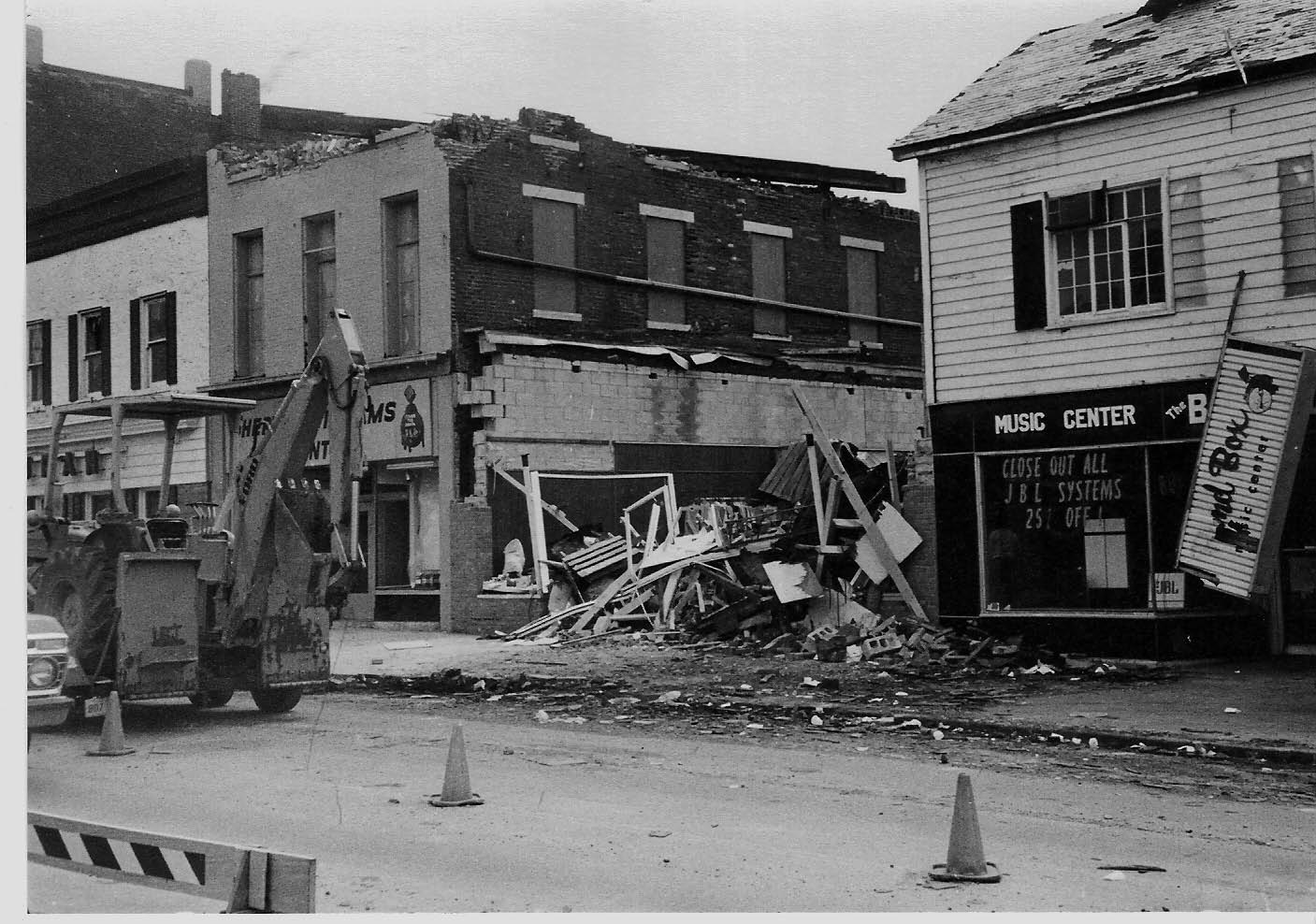
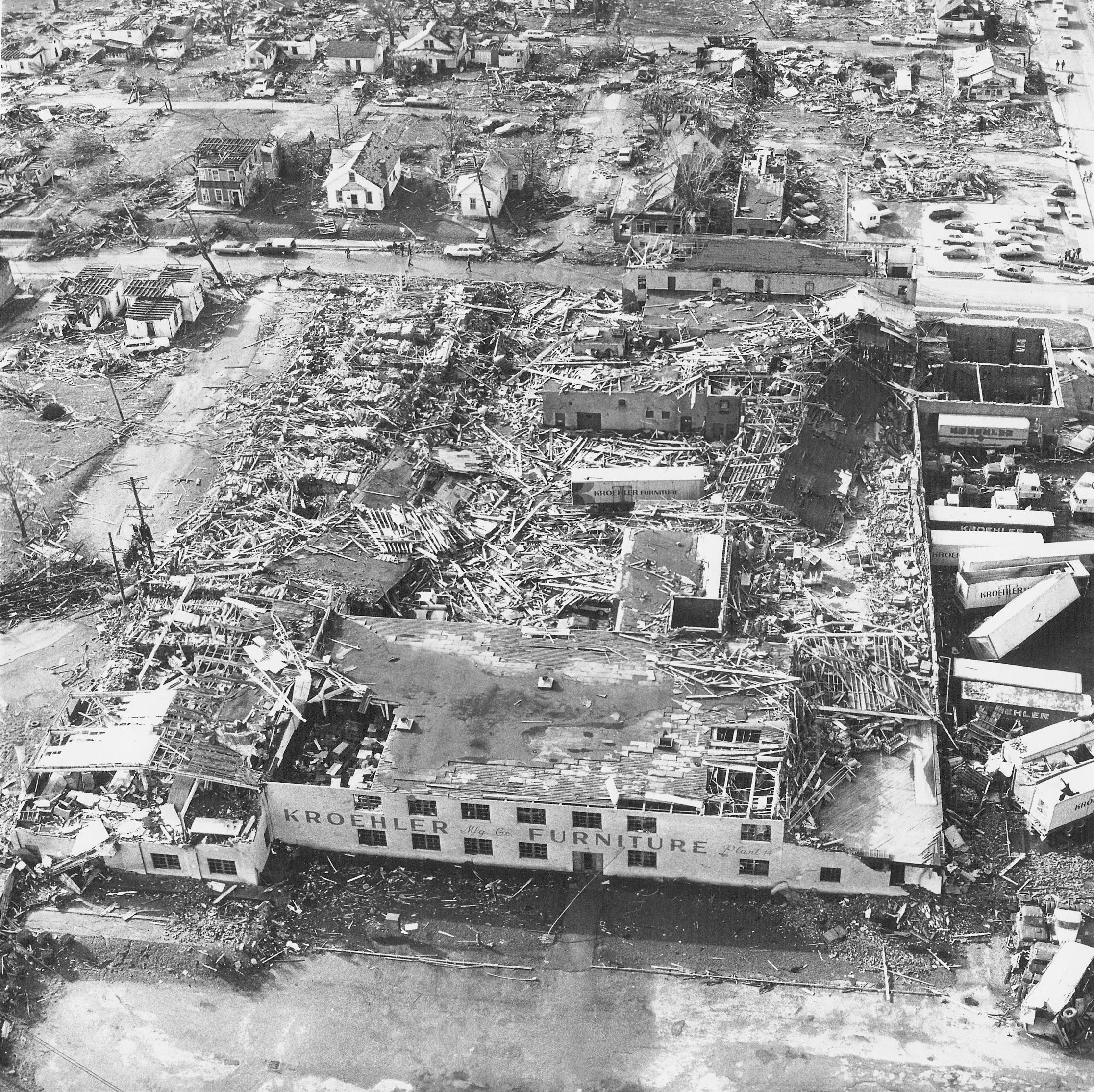
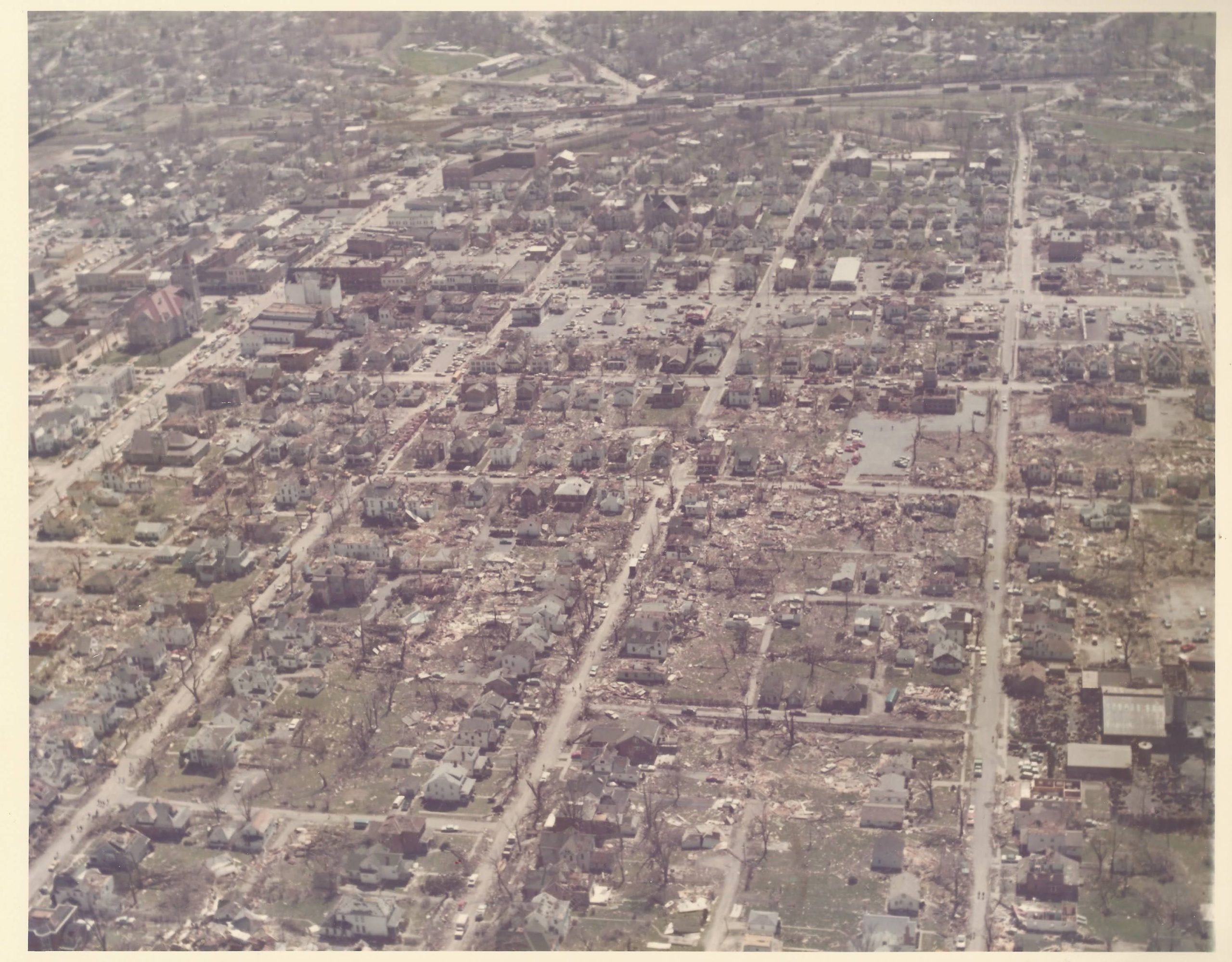
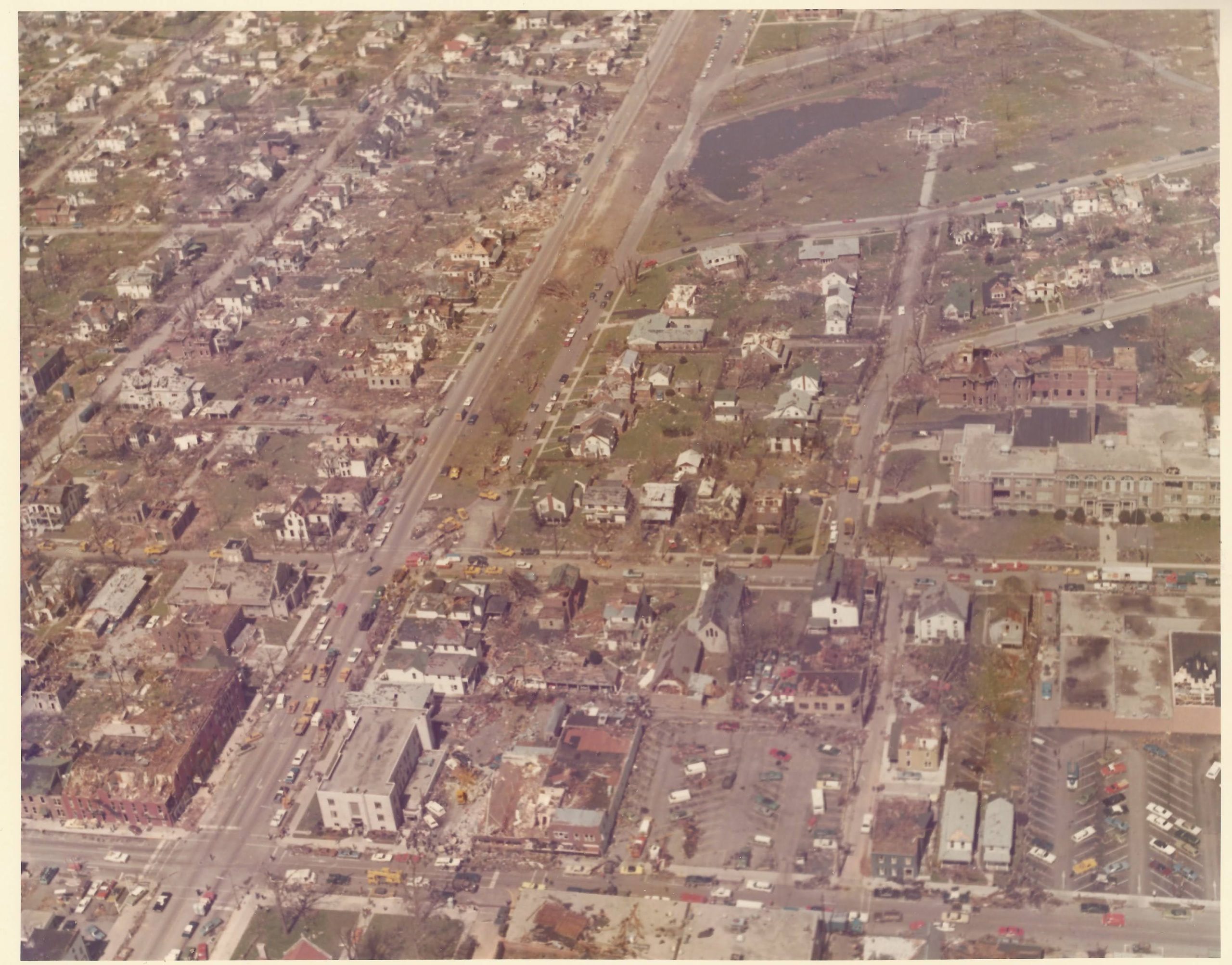
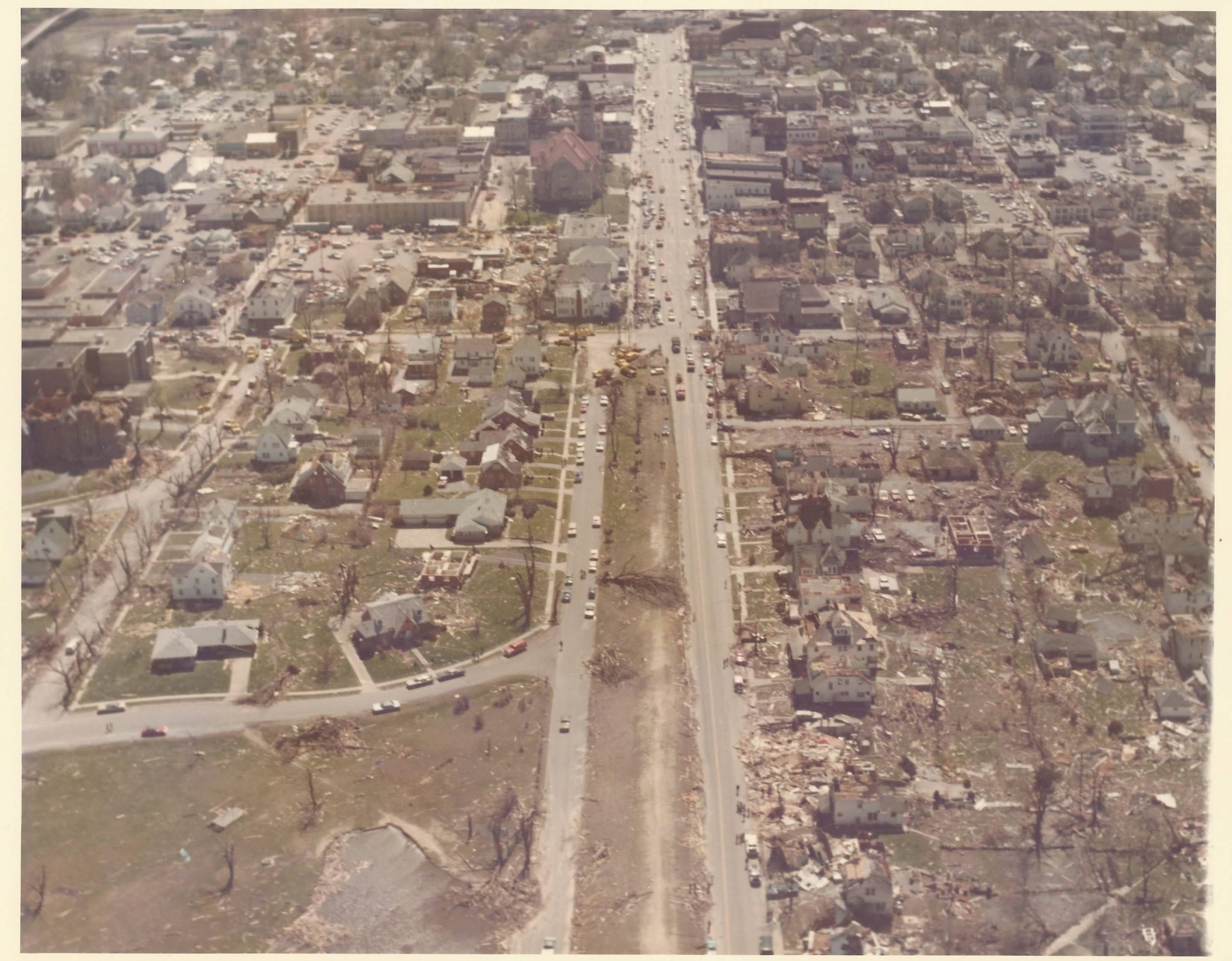
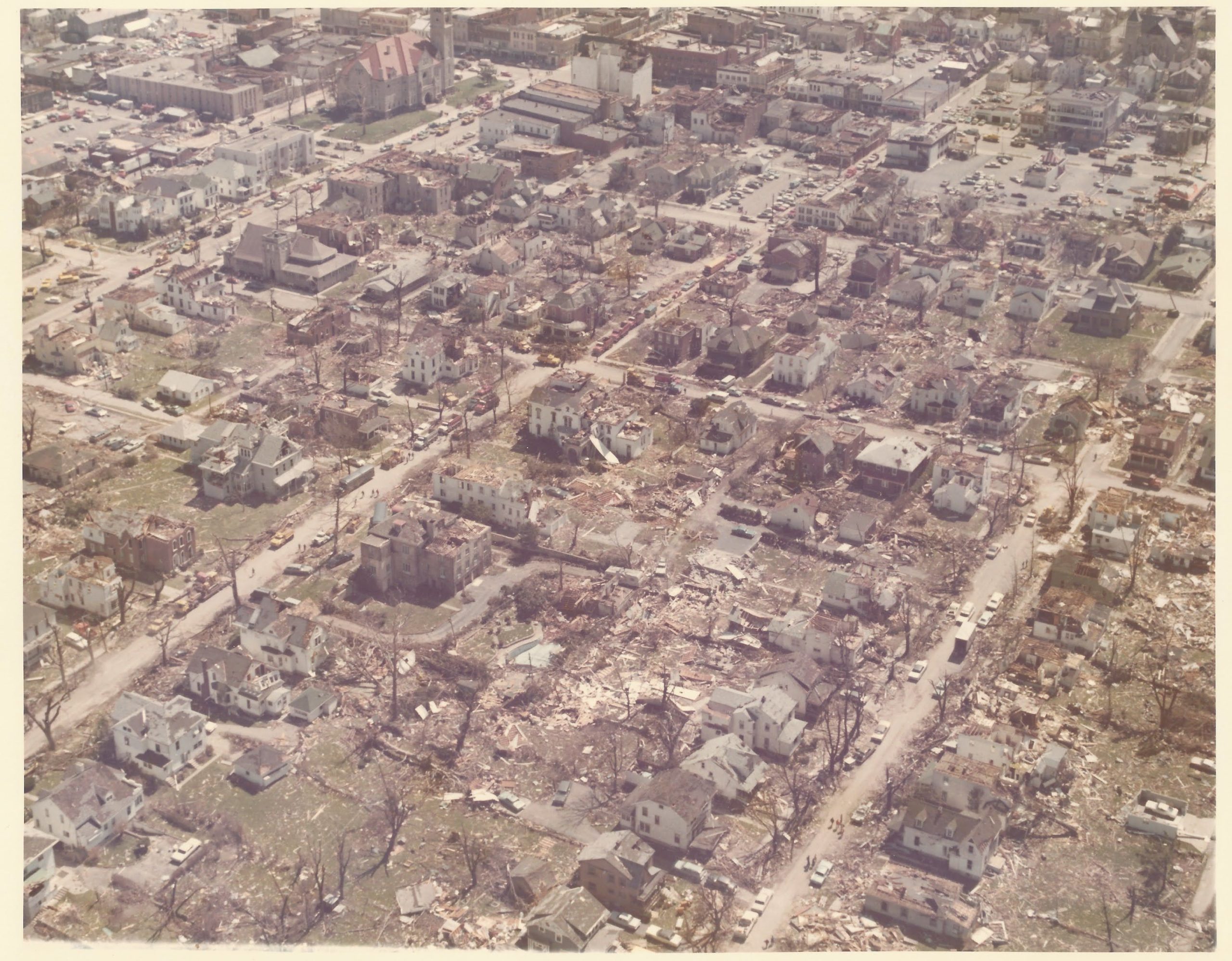
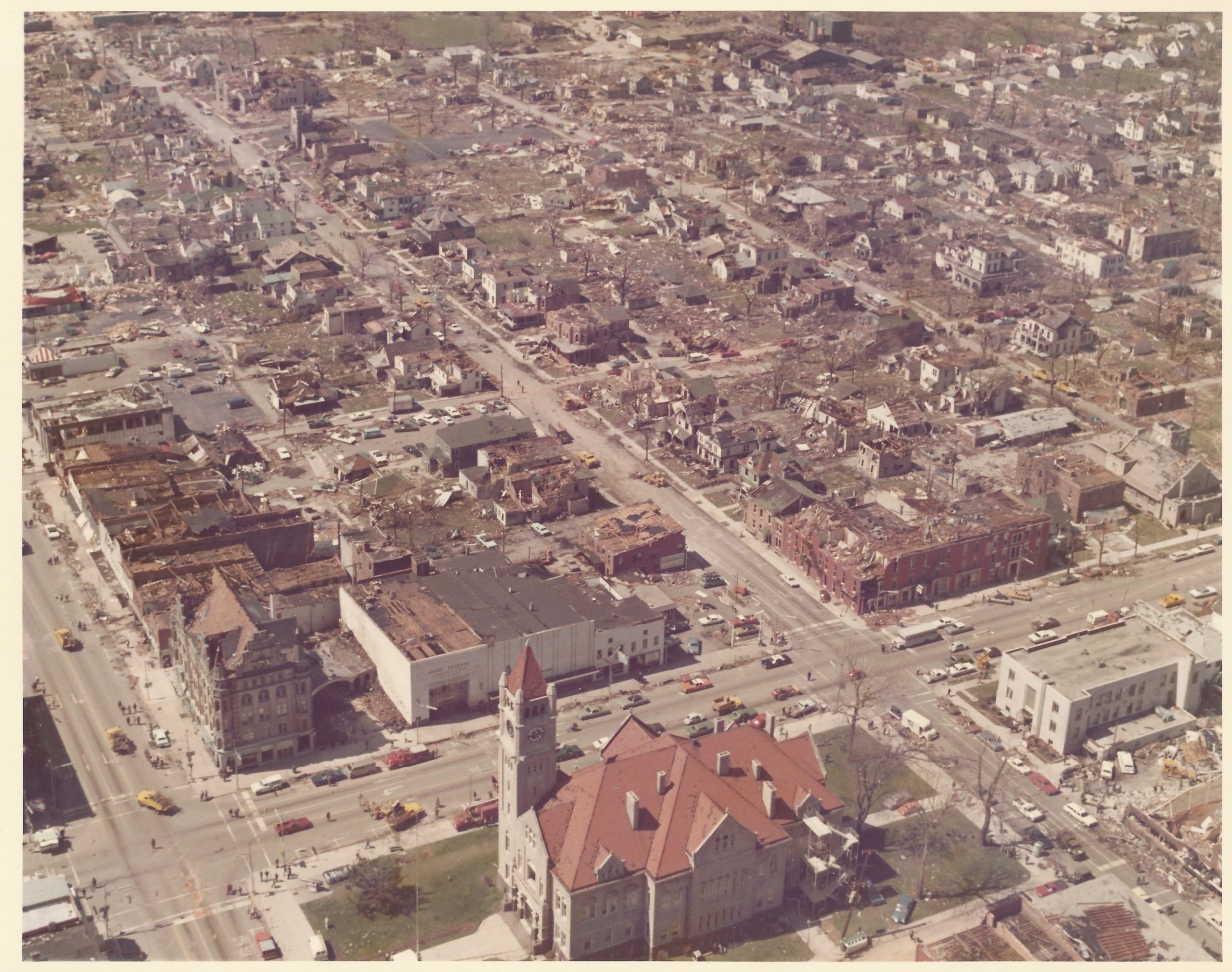
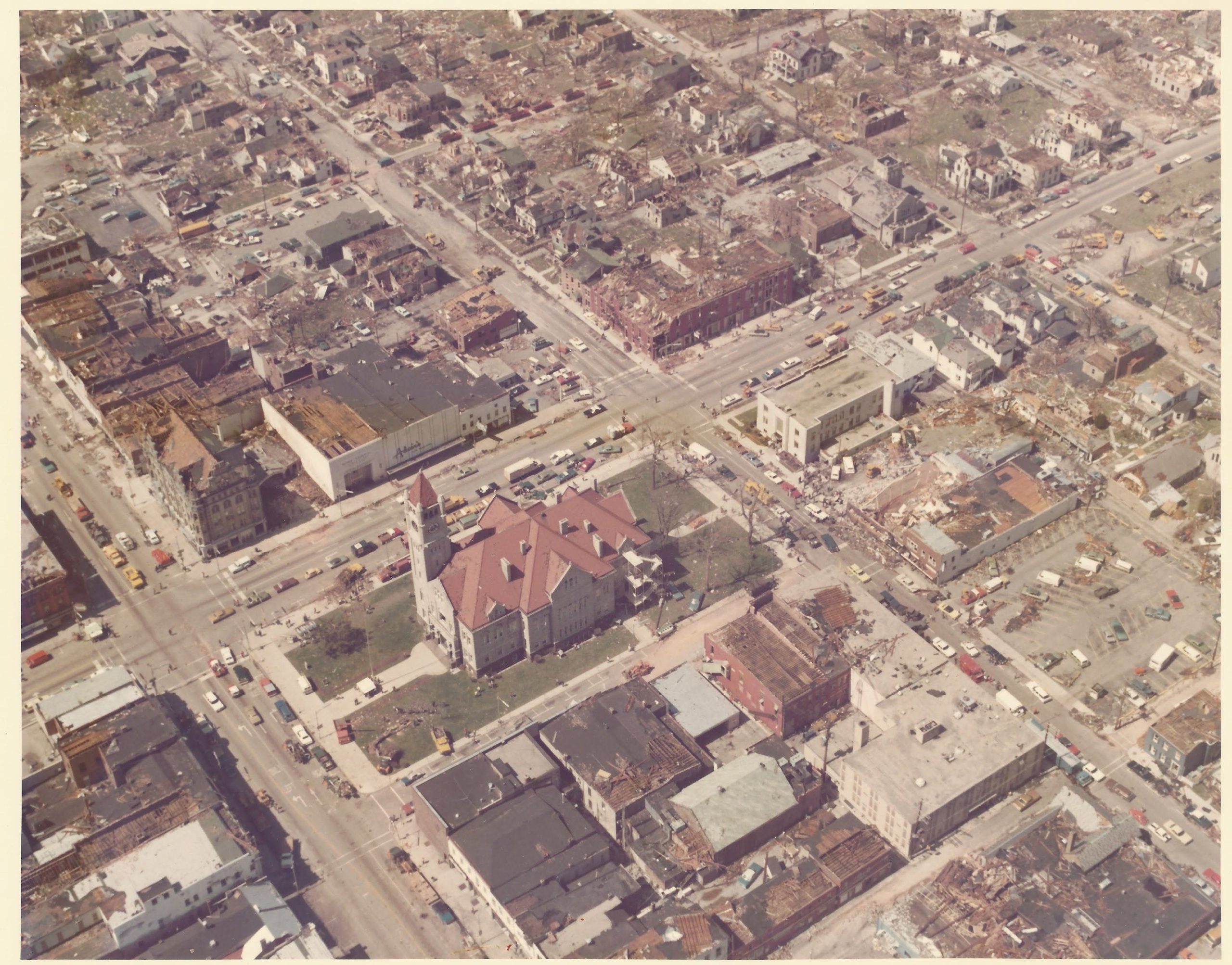
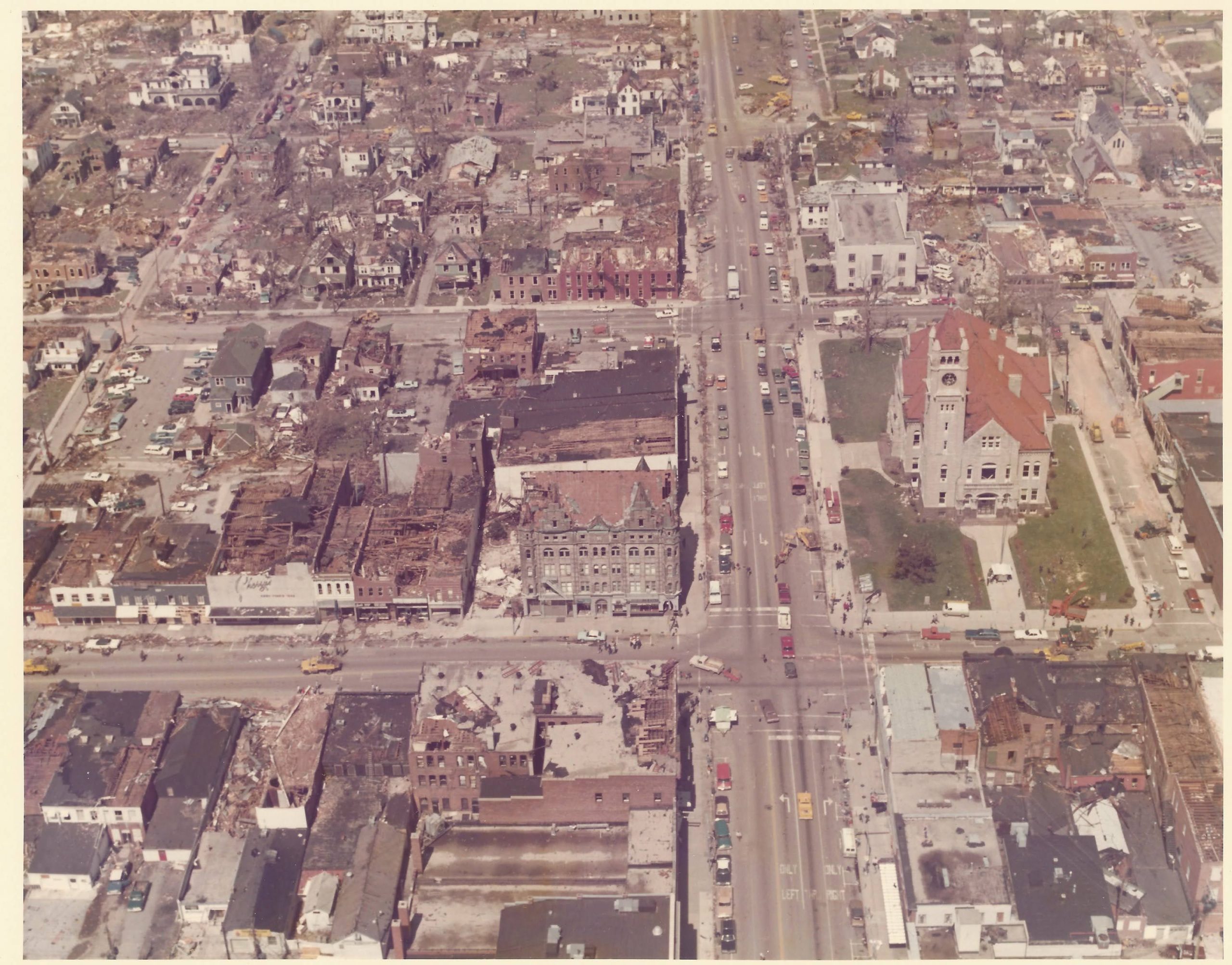
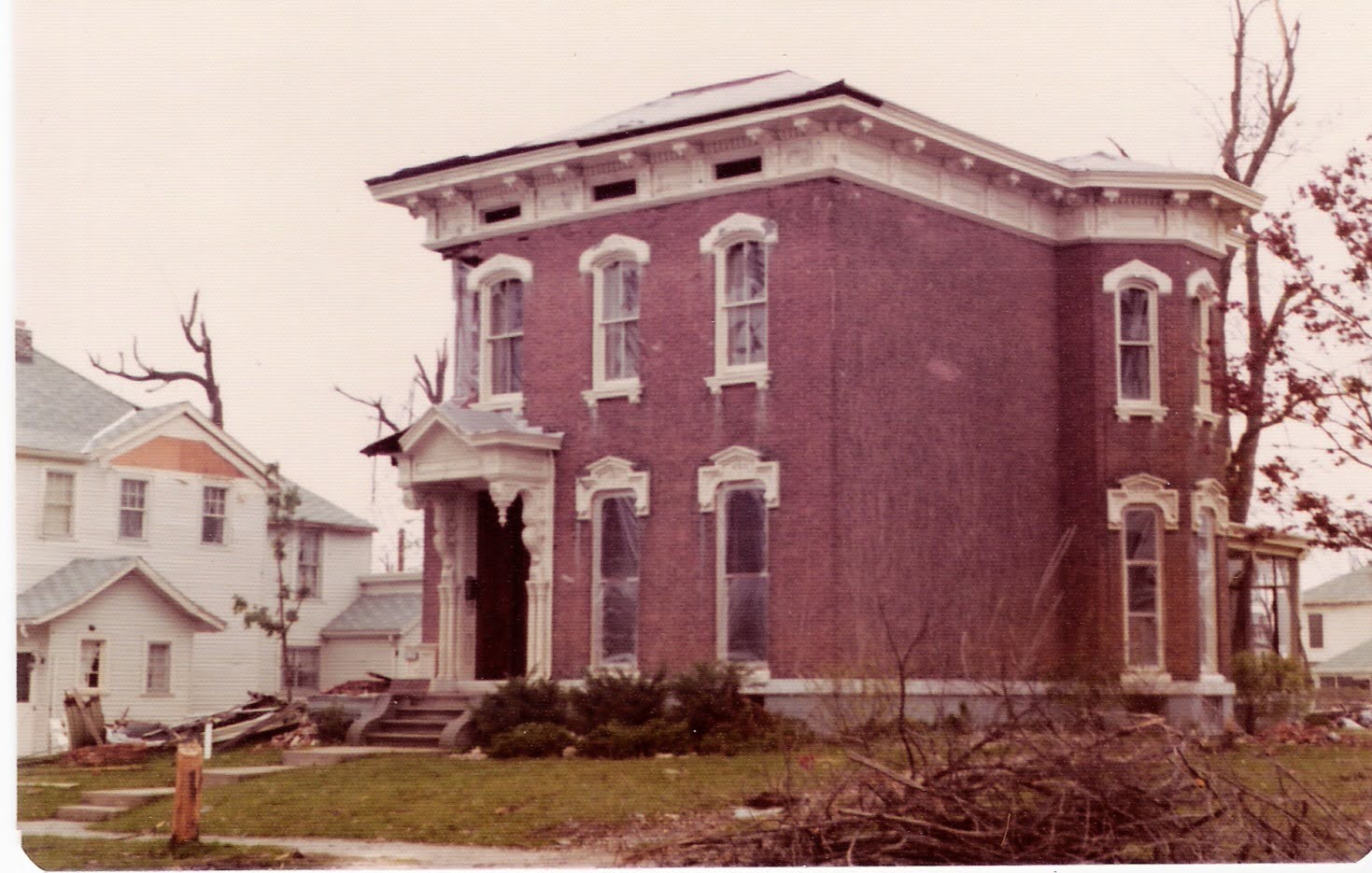
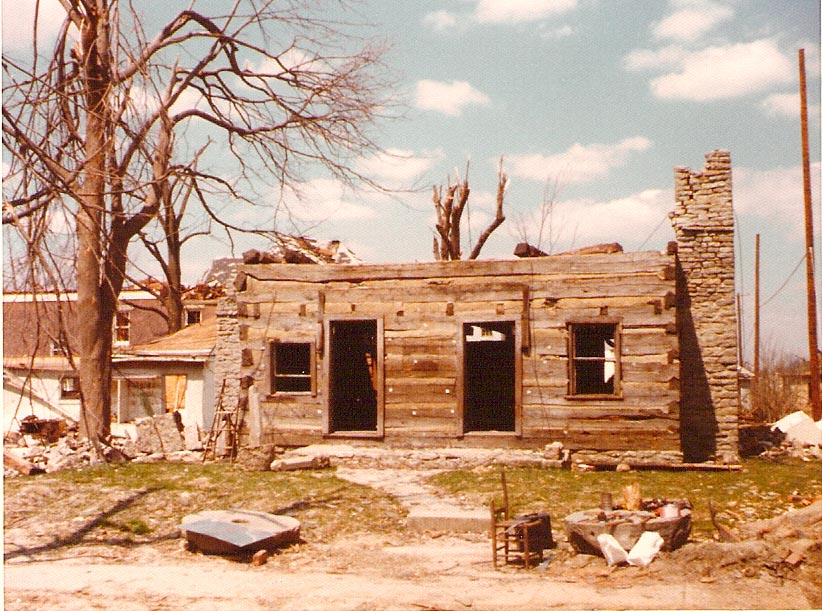
This extremely powerful F5 tornado travelled northeast, etching a destructive path across the entire width of the city of Xenia. Within city limits alone, the tornado damaged or destroyed:
- 2,659 houses
- 350 businesses
- 16 public spaces and organizations
- 14 churches and cemeteries
- 8 schools